
Lineate oak
Quercus lineata
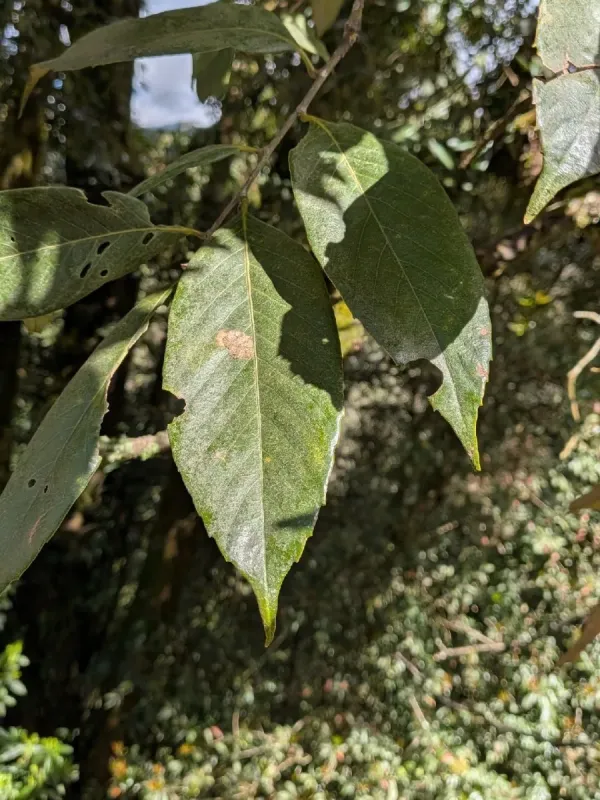
Description
Growing requirements
The Lineate oak (Quercus lineata) is a member of the Fagaceae family. This evergreen species is recognized by its narrow, linear-shaped leaves, which provide a distinctive visual appearance compared to the broader leaves of more common temperate oak species.
The native distribution of this tree is concentrated in the mountain ranges of Southeast Asia, specifically across Indonesia and Malaysia. It thrives in high-altitude tropical forests, where it forms part of the dense, multi-layered canopy of montane ecosystems.
Regarding soil requirements, Quercus lineata prefers deep, well-drained, and nutrient-rich volcanic or forest soils. The substrate should be maintained at a slightly acidic pH level to ensure optimal nutrient uptake and root development.
Climate needs are strictly tropical. The species requires high levels of atmospheric humidity and stable temperatures throughout the year. It lacks frost tolerance, making outdoor cultivation impossible in temperate zones without climate-controlled environments.
In terms of хозяйственное (economic) utilization, this species is primarily significant for biodiversity conservation and botanical research rather than commercial timber production, given its relatively limited population and ecological sensitivity.
Main diseases and pests
The primary threats to Quercus lineata involve habitat fragmentation and deforestation in its native range, which significantly impacts the ability of the species to regenerate naturally.
In cultivation, the species is susceptible to root pathogens if the soil aeration is poor. Maintaining adequate oxygen levels in the root zone is crucial for preventing fungal infections.
Common pests include various coleopteran larvae that can bore into the stems of young trees, as well as leaf-feeding insects that thrive in the humid microclimates where the tree grows.
Management strategies focus on maintaining high sanitation standards in nurseries, including the removal of infected plant debris and the use of targeted biological control agents for pest management.
Vigilance is required to prevent the spread of foliar diseases, which are often encouraged by stagnant air and persistent moisture levels; therefore, proper spacing and ventilation are essential practices.