
Liaodong Oak
Quercus liaotungensis
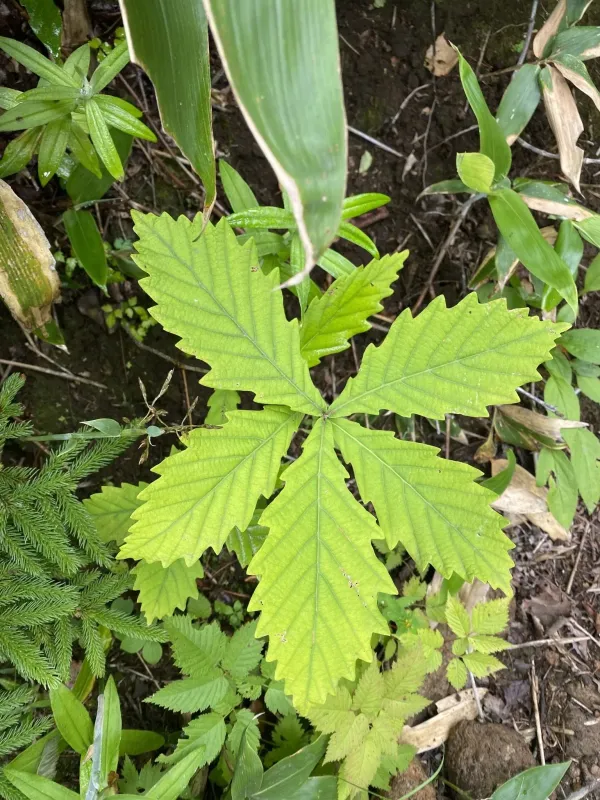
Description
Sowing dates
Liaodong Oak (Quercus liaotungensis) belongs to the Fagaceae family and is primarily propagated via seeds, specifically acorns. The optimal time for sowing is autumn, immediately after harvesting, which allows the seeds to undergo natural stratification within the soil during winter.
If spring sowing is planned, acorns require pre-stratification in moist sand at low positive temperatures for 2–3 months. It is crucial to use only freshly collected material, as oak seeds rapidly lose viability once they dry out or desiccate.
The sowing depth in nurseries should be between 5 and 8 centimeters, depending on the soil texture. Heavier soils require a slightly shallower depth, whereas in looser sandy soils, the seeds can be planted slightly deeper for better protection.
Spacing between rows should be at least 50–70 centimeters to ensure adequate maintenance and care for the seedlings during their first year of growth. Mulching the soil surface after sowing helps retain moisture and prevents the formation of a soil crust.
Germination begins when soil temperatures reach 8–10 degrees Celsius, with the root system often developing before the aerial parts. During the early years, the plants require protection from direct harsh sunlight and competition from invasive weeds.
Growing requirements
This species is a valuable hardwood tree native to Northeast China, Korea, and adjacent territories. In its natural habitat, it thrives in mountain forests, having adapted to a moderately cold climate and distinct seasonal changes throughout the year.
The plant has moderate soil fertility requirements, preferring well-drained loams with a neutral or slightly acidic pH level. Liaodong Oak demonstrates high winter hardiness and the ability to tolerate brief periods of drought once established.
Adequate sunlight is necessary for healthy development, although light lateral shade is permissible during the seedling stage. The culture performs poorly in waterlogged substrates, which can lead to root rot and other physiological stressors.
In forestry applications, the species is successfully cultivated on slopes with various exposures, although sites protected from strong drying winds are preferred. The optimal annual precipitation for this species ranges from 500 to 800 millimeters.
A key requirement for success is the presence of specific mycorrhizal fungi in the soil, which assist in nutrient uptake from complex compounds. When transplanting seedlings, adding a small amount of forest litter from the natural habitat is highly recommended.
Yield
The primary economic output of cultivating Liaodong Oak is high-quality timber, valued for its hardness, strength, and durability. The wood is widely utilized in furniture manufacturing, construction, and high-end flooring production.
Beyond timber, the tree produces a crop of acorns rich in starch, proteins, and tannins. In forest management, these fruits serve as a valuable forage resource for wildlife and livestock, supporting integrated forestry and animal husbandry systems.
Growth rates are characterized as moderate, with the production of marketable timber requiring a long-term management cycle spanning several decades. Intensive forest management practices can help optimize the maturity period with consistent care.
Biological productivity is directly influenced by planting density; higher density stands encourage the growth of straighter, taller trunks, which significantly improves the quality of harvested lumber in the future.
An additional use is in landscaping and soil conservation, where Liaodong Oak is appreciated for its decorative canopy and its ability to stabilize steep embankments and slopes with its deep, robust root system.
Main diseases and pests
One of the main threats to young plantations is fungal infection, such as powdery mildew, which affects leaves during periods of high humidity. Systematic application of fungicides is often necessary to control these outbreaks.
Pests, such as leaf rollers and various species of weevils, can cause significant damage to the foliage and developing acorns. Regular monitoring of phytophagous insect populations is an essential element of nursery management.
Stem borers pose a serious threat to mature trees, especially when the stands are weakened by unfavorable climatic conditions. Regular sanitary forest cleaning is crucial to reducing the risk of pest infestations spreading.
Root rots, triggered by poor agricultural practices and waterlogged soil, can lead to premature tree decline. Prevention involves ensuring proper drainage across all planting sites to maintain a healthy root environment.
Hares and other small rodents frequently damage the bark of young seedlings during the winter months. Installing protective wire meshes or wrapping trunks with specialized materials is a standard defense against such herbivore damage.