
Lusitanian oak
Quercus lusitanica
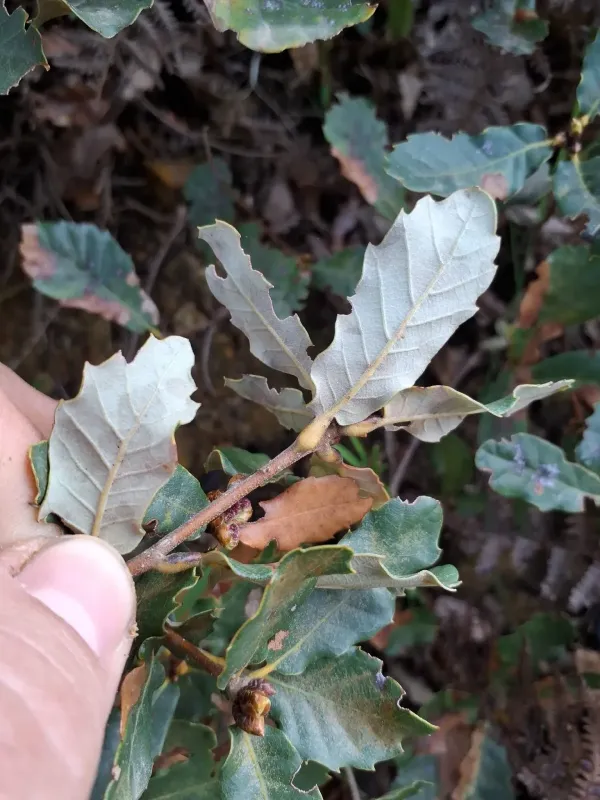
Description
Growing requirements
The Lusitanian oak (Quercus lusitanica), a member of the Fagaceae family, is a shrubby or small tree species native to the Mediterranean region. It is highly valued for its adaptability to rocky, well-drained slopes and its role in local forest ecosystems.
Successful cultivation requires specific soil conditions. The species thrives in light, slightly acidic to neutral soils with excellent drainage. Waterlogged conditions must be avoided at all costs, as they lead to root rot and stunted development of the root system.
As a light-demanding culture, the Lusitanian oak requires full sun exposure to flourish. When planning an orchard or a plantation, adequate spacing must be provided to ensure proper air circulation and maximum light penetration through the canopy.
Regarding climate, this plant is not highly frost-tolerant. It performs best in regions characterized by mild winters and warm, dry summers. Protection from strong, drying winds is essential for young plants during their establishment phase in the field.
Agricultural management includes regular soil cultivation and monitoring of moisture levels. In the initial years of growth, supplemental irrigation during peak summer periods is recommended to encourage deep root formation and overall plant vigor.
Main diseases and pests
The primary threats to Quercus lusitanica include various defoliating insects such as oak leaf rollers. These pests can cause significant damage to the canopy, potentially reducing the tree's growth rate if infestations are left unchecked.
Fungal diseases like powdery mildew pose a constant risk, especially in environments with high humidity or poor airflow. Regular monitoring and the application of appropriate systemic fungicides are crucial to maintain foliage health.
Root rot pathogens represent a severe hazard to the plant. These are often triggered by improper irrigation practices that leave the soil saturated for extended periods, facilitating the colonization of root systems by harmful fungi.
Stem-boring beetles can compromise the structural integrity of the trunks. Integrated pest management strategies, including the removal of deadwood and infected branches, are necessary to minimize the risk of spreading these dangerous pests.
The formation of oak galls, while being a biological trademark of the species, should be monitored. While they historically provided raw materials for ink production, an overabundance of galls can indicate environmental stress or an imbalance in the local insect population.