
Mexican oak
Quercus mexicana
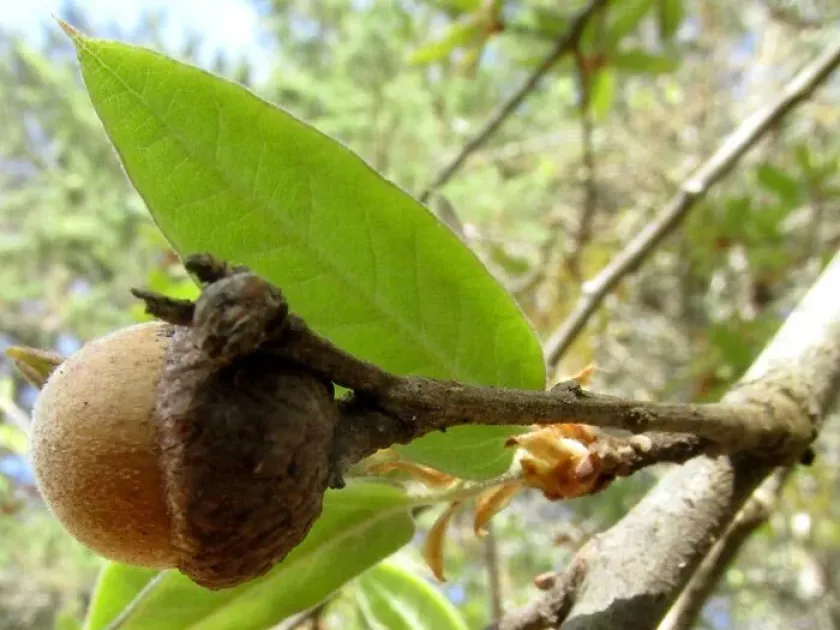
Description
Growing requirements
The Mexican oak (Quercus mexicana) is a prominent evergreen species belonging to the Fagaceae family. Native to the mountainous regions of Mexico and Central America, it is highly adapted to subtropical high-altitude environments.
Cultivation requires well-draining, nutrient-rich soil to ensure healthy root development. This species prefers slightly acidic to neutral soil pH levels and struggles in compacted or waterlogged ground, which can lead to rapid decline.
Climatically, the tree favors mild temperatures. While mature specimens exhibit some tolerance to cold, younger trees are sensitive to frost and require significant protection during their first few years in the field.
Agricultural management includes regular spacing to prevent overcrowding and ensure adequate airflow, which is vital for disease prevention. Fertilizer application, particularly nitrogen and potassium, should be tailored to the tree's growth stages during the spring.
Economically, Quercus mexicana is valued for its dense, durable wood used in construction and craftsmanship, as well as its ornamental role in landscaping due to its persistent foliage.
Main diseases and pests
Like many oak species, Mexican oak is susceptible to powdery mildew, especially in areas with poor ventilation and high humidity. Pruning is recommended to maintain the health and density of the crown.
Common insect pests include leaf-mining beetles and acorn weevils. Implementing an integrated pest management (IPM) plan is essential for maintaining the health of the stand and protecting the seed harvest.
Root rot, primarily caused by Phytophthora species, represents a major threat in soils with poor drainage. Site selection remains the most effective form of prevention against these systemic soil-borne pathogens.
Environmental stress, such as drought, often serves as a trigger for stem-boring insects. Providing supplemental irrigation during prolonged dry spells can significantly increase the tree's natural resistance.
Regular monitoring of canopy color and leaf condition is crucial for early detection of potential outbreaks, allowing for timely application of necessary preventative treatments.