
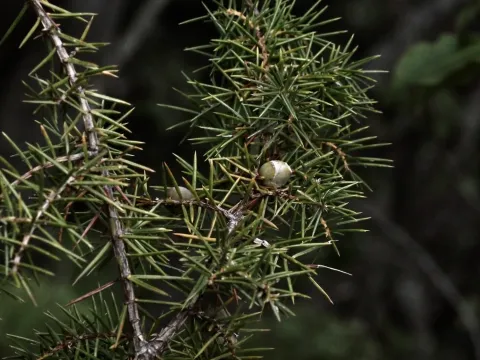
Needle juniper
Juniperus rigida
Needle juniper (Juniperus rigida), a member of the Cupressaceae family, is typically propagated through seeds that require a lengthy stratification period.
What the section contains
Needle juniper
For successful germination, seeds should be kept in cold conditions for approximately three to four months to break their natural dormancy.
Sowing is most effective when performed in late autumn, allowing the seeds to undergo the necessary winter conditioning outdoors before spring arrives.
Alternatively, professional nurseries often utilize cuttings from semi-hardwood stems to ensure identical growth characteristics to the parent plant.
Once seedlings have established, they require careful monitoring in a nursery setting for several years to develop a robust root system before transplanting.
This species is highly photophilous, meaning it thrives in full sun exposure, which is essential for maintaining the dense structure of its foliage.
The plant is remarkably drought-tolerant and can survive in poor, rocky, or sandy soils where many other woody species would struggle to survive.
Proper drainage is the most critical factor in soil selection, as standing water can lead to root rot and other physiological decline issues.
It prefers a slightly acidic to neutral soil pH, which allows for optimal uptake of essential minerals and micronutrients from the soil profile.
While the plant is generally hardy, young specimens benefit from being sheltered from harsh, drying winds during their initial years of development.
Fungal infections, particularly those caused by rust fungi, are the most significant threats to the health and aesthetic value of the Needle juniper.
High humidity and poor air circulation within the canopy create ideal conditions for the rapid spread of pathogens across the needle-like leaves.
Common pests such as scale insects and spider mites often infest the plant, leading to discoloration and needle drop if left untreated.
Integrated pest management strategies, including pruning and the application of targeted fungicides, are necessary to maintain plant vigor.
Regular inspections of the inner canopy are advised to detect early signs of infestation and prevent large-scale damage to the tree's health.