
Pilgerodendron
Pilgerodendron
Pilgerodendron, specifically the species Pilgerodendron uviferum, is a coniferous tree belonging to the Cupressaceae family. It is a monotypic genus that serves as a vital component of the temperate rainforests in the Southern Hemisphere.
What the section contains

Pilgerodendron
The tree is native to the cold and humid regions of southern Chile and Argentina. It has evolved to thrive in environments characterized by high precipitation levels, moderate temperatures, and significant wind exposure, making it a specialized plant in terms of climate requirements.
Regarding soil conditions, this species prefers acidic, organic-rich, and consistently moist substrates. In the wild, it is often found in waterlogged soils or boggy terrain, demonstrating a remarkable ability to survive in environments where most other conifers would suffer root rot.
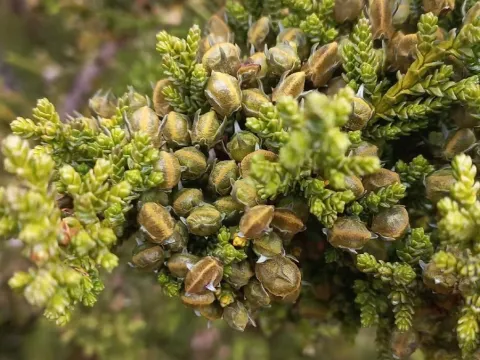
Botanically, it features a slow-growth rate and a distinct pyramidal structure. Its scale-like leaves are tightly appressed to the twigs, an adaptation that effectively minimizes transpiration and protects the plant against harsh, moisture-depleting winds.
While the wood of the Pilgerodendron is highly prized for its durability and resistance to decay, modern agricultural use is strictly for conservation and ornamental purposes in botanical collections. It is not currently utilized as a mainstream commercial timber crop.
The primary threat to the species is habitat degradation and fragmentation. Large tracts of the forests where Pilgerodendron was once abundant have been cleared, leaving the remaining populations vulnerable to environmental stressors.
Under cultivation, the most significant risk to health involves the mismanagement of soil moisture levels. Although the plant is adapted to wet conditions, stagnant water in containerized plants can still induce pathogenic fungal activity in the root zone.
Pest pressures are generally lower than those found in commercial pine plantations, but the tree is still susceptible to common conifer pests. Monitoring for sap-sucking insects like scales or mites is essential, especially when plants are housed in protected, sheltered environments.
Physiological decline can occur if the plant is exposed to excessive heat or prolonged drought. Because it is highly adapted to cool, maritime climates, even minor heatwaves can result in significant leaf desiccation and overall plant stress.
Disease prevention in this species focuses heavily on biological and environmental stability. Ensuring adequate air circulation around the canopy and maintaining a stable soil pH are the two most critical management practices for long-term health.