
Libocedrus yateensis
Libocedrus yateensis
Description
Growing requirements
Libocedrus yateensis is a rare coniferous tree belonging to the Cupressaceae family, native to the remote areas of New Caledonia. It represents a significant interest for botanical research and specialized horticulture due to its unique evolutionary history and habitat requirements.
The plant thrives in cool, high-humidity environments that mimic its natural mountainous climate. In cultivation, it is essential to provide well-draining soil rich in minerals, as the species is highly intolerant of waterlogged conditions which can induce root decay.
Growth is characteristically slow, requiring patience from growers and careful maintenance of environmental parameters. It prefers stable temperatures and protection from harsh, direct winds that could damage its delicate foliage and structure.
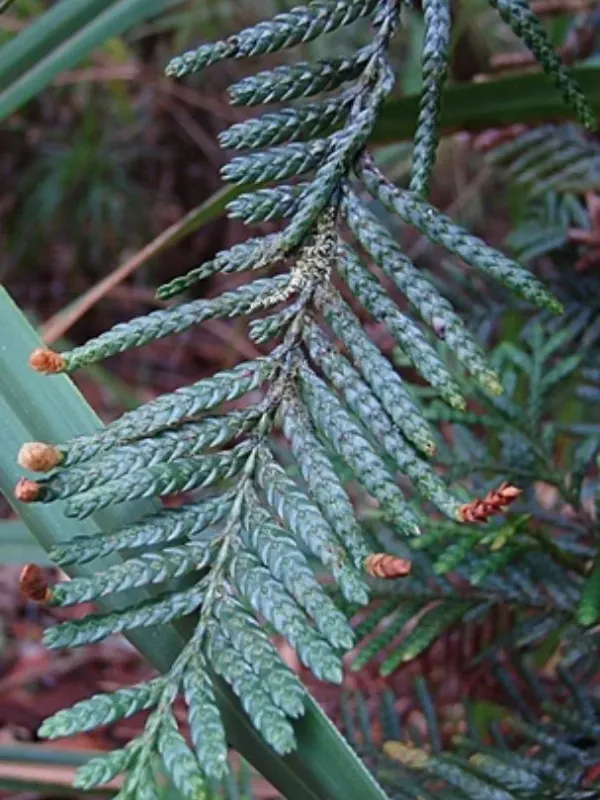
Botanically, the tree exhibits fine, scale-like needles and produces small, woody cones. Its architecture is typically conical, making it an aesthetically pleasing specimen for collectors and botanical gardens that specialize in exotic conifers.
Regarding its utility, the species is primarily maintained for conservation purposes and as a high-value ornamental in protected climates. It is rarely utilized for industrial forestry due to its extreme scarcity and status as a protected endemic species.
Main diseases and pests
The primary threats to Libocedrus yateensis are related to environmental changes and potential pathogenic infections. Root rot caused by poor soil drainage remains the most significant horticultural challenge for this species.
Common pests such as spider mites and scale insects can hinder development if left uncontrolled. Integrated pest management, including regular inspections and the application of appropriate biological controls, is vital for maintaining plant health in greenhouses.