
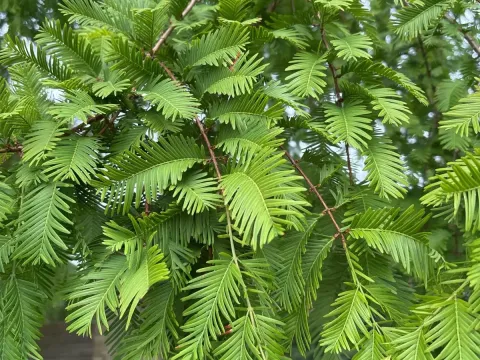
Metasequoia
Metasequoia Miki ex Hu et Cheng
Seeds of Metasequoia should be sown in early spring after a stratification process in a cool environment for approximately 60 days.
What the section contains

Metasequoia
The optimal planting time for seedlings is mid-spring, ensuring that the soil is sufficiently warm and the risk of frost has completely passed.
A well-draining substrate composed of peat and sand is highly recommended to promote healthy root development in the initial stages of growth.
Propagation via cuttings is also common, performed in early summer using semi-hardwood stems kept in high-humidity conditions to induce rooting.
Proper spacing between seedlings is crucial to ensure adequate airflow and prevent the development of moisture-related diseases in the nursery phase.
Metasequoia, belonging to the Cupressaceae family, is a deciduous conifer known as a living fossil, native to the central regions of China.
This species is highly demanding regarding soil moisture; it thrives in sites with consistent water availability but requires excellent drainage.
It prefers deep, slightly acidic, and fertile soils rich in organic matter to maintain its characteristic rapid growth rate.
The tree requires full sun for optimal photosynthesis but should be protected from harsh, drying winds that can damage young foliage.
Metasequoia is unique for its ability to lose its foliage in autumn, an adaptation that helps it withstand temperate winter conditions effectively.
Metasequoia is generally considered a low-maintenance plant with strong natural resistance to many common coniferous pests and pathogens.
The primary concern for this crop is waterlogging, which significantly increases the risk of phytophthora root rot and other fungal issues.
In hot and arid conditions, spider mites may occasionally infest the needles, causing discoloration and requiring targeted acaricidal treatment.
Preventive maintenance involves regular pruning to remove dead wood and improving soil aeration to ensure the root system stays healthy.
Effective management of water levels and correct site selection are the best strategies for preventing potential threats and ensuring long-term health.