
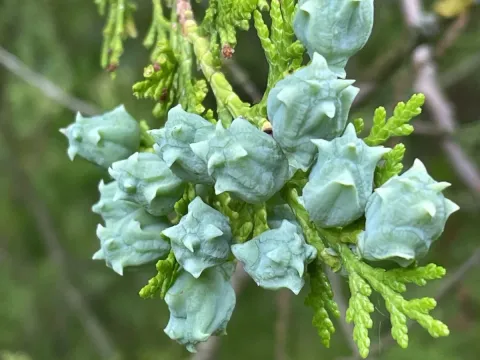
Oriental arborvitae
Platycladus Spach
Oriental arborvitae (Platycladus orientalis) is a distinct member of the Cupressaceae family, widely recognized for its vertical growth habit and scalelike foliage.
What the section contains

Oriental arborvitae
Native to East Asia, this plant has been cultivated for centuries across diverse climatic zones, becoming a staple in both public landscaping and private gardens.
The species thrives in locations with full exposure to sunlight, though it maintains a healthy appearance when placed in light shade during the hottest hours of the day.
It prefers well-drained, moderately fertile soil types, as the species is highly sensitive to waterlogged conditions that can lead to root system failure.
Successful cultivation requires balancing moisture levels; while established trees exhibit notable drought tolerance, young plantings demand consistent irrigation to ensure strong establishment.
The plant can be susceptible to various fungal pathogens, including Cercospora needle blight, which causes browning and death of the foliage from the inside out.
Common insect pests include bagworms and scale insects, which can severely compromise the aesthetic value and long-term health of the arborvitae if left untreated.
Root rot caused by Phytophthora is a significant concern in areas with poor drainage, often resulting in sudden foliage yellowing and the eventual decline of the tree.
Effective management strategies involve regular monitoring, application of systemic fungicides, and the removal of severely infected branches to prevent disease spread.
Maintaining proper plant spacing is essential to ensure adequate airflow within the canopy, which significantly reduces the risk of fungal proliferation and insect infestation.