
Metasequoia
Metasequoia
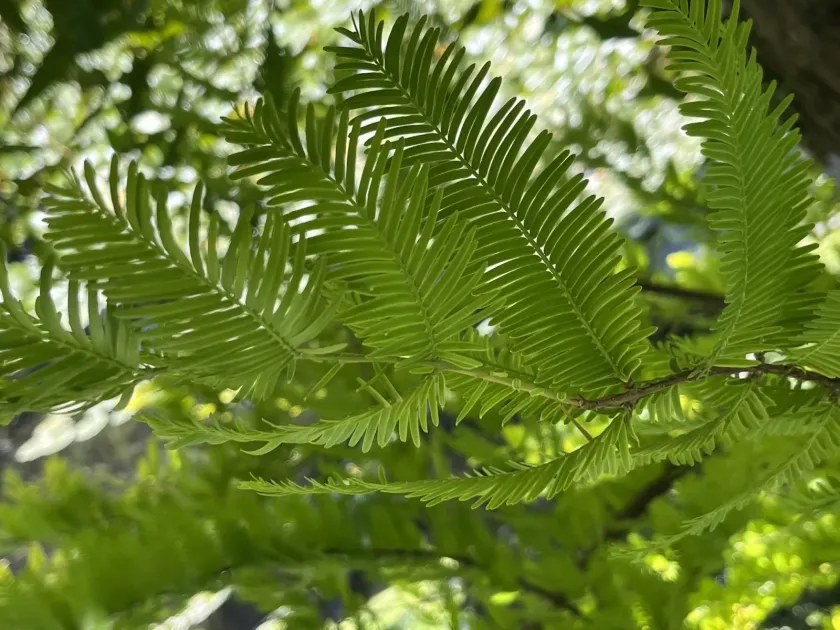
Description
Growing requirements
Metasequoia glyptostroboides, a member of the Cupressaceae family, is a unique deciduous conifer. Originally discovered in the mountain regions of China, it is now widely cultivated as an ornamental tree in various temperate climates across the globe.
The species thrives in moist, deep, and fertile soils that provide adequate drainage. Metasequoia is particularly sensitive to drought, making consistent irrigation essential, especially in areas where groundwater levels are naturally low during the summer months.
It prefers full sun exposure and requires protection from strong, cold winds that can cause damage to the foliage. The tree is notable for its high tolerance to urban pollution, which makes it an excellent choice for parks and large public landscaping projects.
Temperature management is vital during the early stages of growth, as young saplings are susceptible to frost damage. While mature trees exhibit increased hardiness, they still struggle in climates with extreme temperature fluctuations or severe, prolonged winter freezes.
Mulching the root zone is a recommended horticultural practice to maintain soil moisture, regulate soil temperature, and protect the root system from extreme environmental stressors.
Main diseases and pests
Metasequoia is generally resilient to many pests and diseases, but improper cultivation conditions can significantly weaken the tree and invite opportunistic pathogens.
Root rot, particularly Phytophthora, is the most common threat when the soil is overly saturated or lacks proper drainage. Symptoms often manifest as needle yellowing and dieback, necessitating the use of specialized fungicides.
Pests such as spider mites and aphids can become problematic during hot and dry seasons. Infestations are typically managed using systemic insecticides applied during the peak growing season to minimize damage to the needles.
Adelgids may also affect the trees, appearing as white, cotton-like masses on the branches. Removing heavily infested branches and applying horticultural oils can help control these insect populations.
Maintaining tree vigor through proper site selection and regular sanitary pruning remains the most effective strategy for preventing long-term damage from pests and diseases.