
Mourning cypress
Cupressus funebris
Description
Growing requirements
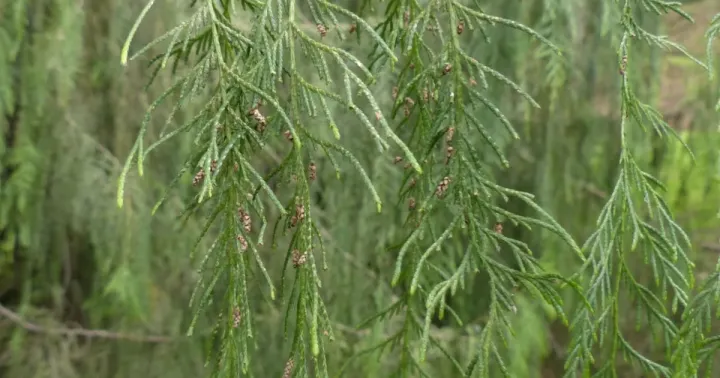
Mourning cypress (Cupressus funebris) is a magnificent evergreen tree within the Cupressaceae family, renowned for its drooping branches that create a weeping, graceful appearance. It is an iconic species often utilized in both traditional and modern horticultural landscaping.
Originating from China, the Mourning cypress has adapted to various subtropical environments. Its growth habit and foliage structure make it a focal point in arboretums and large garden estates where the climate supports mild winters and high ambient humidity.
Cultivation success depends heavily on soil selection; the plant requires deep, fertile, and well-drained soil to avoid the risk of root rot. It thrives in locations where water drainage is efficient, preventing soil saturation which the species cannot tolerate under any circumstances.
In terms of climate, the species prefers temperate to subtropical zones. While it exhibits some tolerance for cold, extreme fluctuations or prolonged frost can cause significant damage to the foliage and younger branches, requiring strategic planting in sheltered garden areas.
Agronomic management involves periodic applications of specialized coniferous fertilizers during the growing season. Adequate irrigation is necessary during dry spells to ensure the development of the lush, characteristic foliage, supplemented by regular pruning to maintain structural health.
Main diseases and pests
The primary pathological threats to the Mourning cypress include fungal blights and root diseases, which typically emerge in sites with poor air circulation. Implementing proper spacing and ensuring adequate exposure to light are essential preventative measures to mitigate these risks.
Insect pests such as scale insects and mites can infest the dense canopy if the tree's vigor is compromised. Integrated pest management strategies, focusing on early detection and the use of targeted horticultural oils or systemic insecticides, are recommended to sustain tree health and appearance.