
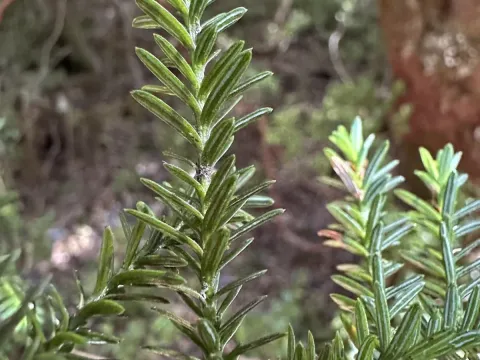
Patagonian cypress
Fitzroya
The Patagonian cypress (Fitzroya cupressoides) is a magnificent evergreen conifer belonging to the Cupressaceae family. It is a monotypic genus, representing a truly ancient and relic plant species native to the temperate rainforests of South America.
What the section contains

Patagonian cypress
The natural habitat of this species is confined to the Andes of Chile and Argentina. In cultivation, the plant requires a cool, humid climate that mirrors its native environment, characterized by high annual rainfall and moderate temperatures.
When selecting a planting site, it is crucial to ensure deep, fertile, and well-drained soil. The species thrives in acidic, organic-rich substrates that maintain consistent moisture levels without ever becoming waterlogged or anaerobic.
Agronomic management of Fitzroya focuses on maintaining soil humidity through careful mulching and protected site selection. Given its slow growth rate, the plant benefits from a sheltered location away from harsh, drying winds that can stress the foliage.
Historically, the wood of the Patagonian cypress was highly valued for its exceptional rot resistance and durability, leading to widespread exploitation. Today, the focus has shifted entirely toward conservation and sustainable management of the remaining stands.
Fitzroya is susceptible to various fungal pathogens, particularly those that thrive in conditions of poor air circulation and excessive dampness. Root rot is a significant risk if drainage systems are inadequate or if the plant is over-irrigated.
Insect pests such as scale insects and aphids may occasionally attack younger trees, causing loss of vigor and stunted growth. Integrated pest management techniques should be used to protect the tree without damaging its delicate ecosystem.
Environmental stress is a primary driver of disease susceptibility in this species. Factors like pollution, rapid temperature shifts, or competition from invasive species can significantly weaken the plant's natural immune response.
Regular sanitation measures, including the removal of dead or diseased branches, are necessary to maintain tree health. Keeping the environment clean and ensuring the tree is not overcrowded are key components of preventive care.
Because the Patagonian cypress is a long-lived relic species, any chemical treatment must be applied with extreme caution. The priority should always be creating an environment that supports the tree's natural resilience against common threats.