
Papuacedrus
Papuacedrus
Papuacedrus is a genus of evergreen coniferous trees belonging to the Cupressaceae family. These trees are native to the montane tropical rainforests of New Guinea and the Moluccas, where they thrive in high-altitude environments characterized by consistent moisture and cool temperatures.
What the section contains

Papuacedrus
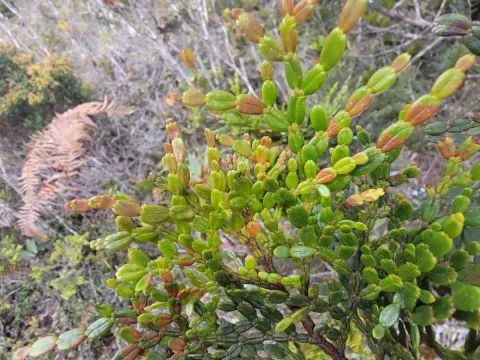
Botanically, the genus is distinguished by its unique foliage transition. Juvenile trees possess needle-like leaves, while mature individuals develop scale-like leaves that are tightly appressed to the twigs, providing a distinctive appearance to the canopy structure.
The cultivation requirements for Papuacedrus are quite specific. They demand well-drained, nutrient-rich soils and are highly sensitive to soil compaction and waterlogging. In their natural habitat, they are often found on steep slopes where root aeration is naturally facilitated.
Agrotechnical management requires precise monitoring of humidity levels. As mountain-dwelling species, they do not tolerate extreme heat or arid conditions, necessitating the use of specialized greenhouse environments with climate control systems to simulate their original niche.
The economic utility of the wood is significant, as it is prized for its durability and resistance to decay. Historically, it has been used in regional construction, though its cultivation remains limited to specific geographic and scientific purposes due to its slow growth rate.
The primary threats to Papuacedrus include fungal pathogens, particularly root rot, which typically emerges in poorly drained substrates. Maintaining excellent air circulation around the root zone is the most effective preventative measure against soil-borne diseases.
Insect pests, such as spider mites, can pose a challenge in controlled settings, especially if the air humidity is not properly managed. Regular inspection of foliage and the application of integrated pest management practices are essential for sustaining healthy specimens.