
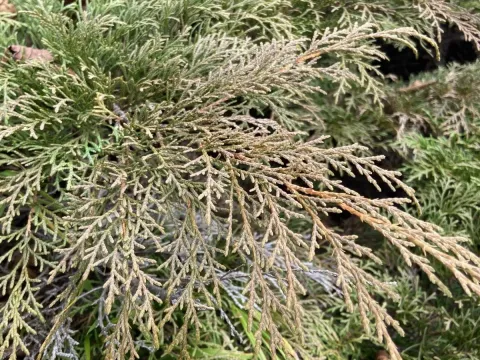
Microbiota decussata
Microbiota Kom.
Microbiota decussata, commonly known as the Siberian carpet cypress, is a unique monotypic genus in the Cupressaceae family. It is a slow-growing evergreen conifer that produces a wide, spreading habit, making it highly valued for ground cover in landscape design.
What the section contains

Microbiota decussata
The plant is native to the Sikhote-Alin mountain range in the Russian Far East. Its natural habitat is rocky, well-drained slopes, which dictates its preference for sites with excellent drainage and adequate air circulation in garden settings.
Regarding soil requirements, Microbiota performs best in fertile, slightly acidic to neutral soils that do not retain excess water. It is intolerant of heavy, waterlogged soils, which can cause significant stress and root rot in a very short time.
The cultural conditions require a location that offers partial shade to full sun. While it is incredibly hardy, exposure to intense, direct afternoon sun in hotter climates can cause foliage burn, so eastern or northern orientations are generally preferred.
Maintenance involves deep watering during periods of drought, especially for young, newly established plants. Mulching around the base helps retain moisture and keeps the roots cool, mimicking the mountain environment from which this species originates.
Microbiota decussata is susceptible to several fungal diseases, particularly if air circulation is poor or if the plant remains constantly wet. Needle cast and tip blight are the most prevalent issues that gardeners should monitor for throughout the growing season.
Pests are generally less of a problem than pathogens, but spider mites can cause damage during hot and dry spells. These pests damage the foliage, causing it to lose its vibrant color and eventually brown prematurely.
Proactive management includes the application of preventative fungicides during the spring flush of growth. Keeping the foliage dry by avoiding overhead irrigation during late hours can significantly reduce the risk of fungal proliferation.
If an infestation of mites or other sucking insects is identified, the use of horticultural oils or specific miticides is recommended. It is essential to treat the entire plant surface to ensure effective control of all life stages of the pests.
Routine sanitation is a critical component of pest and disease control. Pruning out any dead or infected branches not only improves the aesthetics of the plant but also removes the reservoir for potential disease spores or insect eggs.