
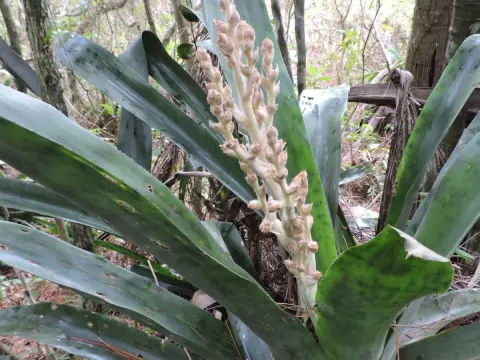
Hohenbergia
Hohenbergia
Hohenbergia is a genus within the Bromeliaceae family, comprising perennial plants native to the tropical regions of the Caribbean and South America. These plants often feature robust rosettes of stiff, serrated leaves adapted for capturing rainwater and organic debris in the wild.
What the section contains


Hohenbergia
The cultivation of Hohenbergia requires a stable environment with temperatures maintained between 20°C and 25°C. Exposure to drafts or temperatures below 15°C should be strictly avoided to prevent physiological stress, which can lead to stunted growth or permanent damage to the foliage.
Optimal light conditions include bright, filtered sunlight. While these plants appreciate high light intensity, direct midday sun should be avoided as it can cause bleaching and necrotic spots on the leaves, diminishing the plant's ornamental and biological value.
A well-draining, acidic substrate is essential for the health of the root system. A recommended mixture includes coarse peat moss, pine bark, perlite, and charcoal, which ensures proper aeration and prevents the roots from remaining waterlogged for extended periods.
Watering practices are distinct for this genus, as the primary absorption occurs through the central rosette. It is recommended to keep the reservoir filled with clean, room-temperature water, refreshing it periodically to prevent the accumulation of minerals and decaying organic matter.
Hohenbergia is susceptible to infestation by common pests such as scale insects and mealybugs. These pests frequently hide deep within the leaf axils, making early detection and treatment essential for maintaining the plant's overall health and vigor.
Fungal pathogens, particularly those causing crown and root rot, represent the most significant threat to this culture. Such issues are almost exclusively associated with improper watering, excessive humidity, or a lack of adequate ventilation in the greenhouse environment.
Control strategies involve the application of appropriate systemic insecticides to eliminate sap-sucking insects. Regular physical inspection of the leaves and the central rosette area is a critical preventative measure against potential pest outbreaks.
To mitigate the risk of fungal diseases, it is necessary to ensure consistent air circulation around the plants. Reducing ambient humidity during the winter months and ensuring that water in the rosette does not remain stagnant can significantly improve plant resistance.
If rot is identified, immediate action is required, including the removal of affected plant tissues using sterilized tools. Following surgery, application of a fungicide and adjustment of the surrounding microclimate are necessary to support the plant's recovery process.