
Hohenbergia catingae
Hohenbergia catingae
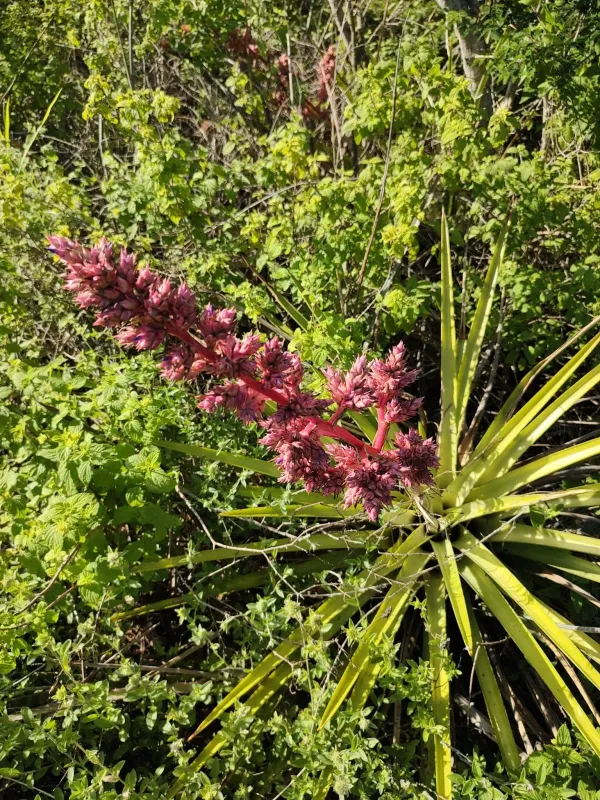
Description
Growing requirements
Hohenbergia catingae is a perennial plant belonging to the Bromeliaceae family, native to the catinga ecosystems of Brazil. It has evolved to survive in arid, high-light environments, developing a specialized water-storing rosette that serves as its primary reservoir.
For successful cultivation, a well-draining, coarse-textured substrate is mandatory. Growers typically use a mixture of bark, perlite, and charcoal to provide the aeration that the plant's roots require to remain healthy and prevent anaerobic conditions.
Environmental conditions must mimic the plant's natural habitat. It requires bright, indirect sunlight to maintain its structural integrity and leaf coloration. Direct exposure to intense midday sun is usually restricted to prevent tissue damage and moisture loss.
The temperature range should stay between 22°C and 28°C during the growing season. As a tropical to sub-tropical species, it is highly sensitive to cold spells, and any exposure to temperatures below 10°C can result in severe damage to the plant's vascular system.
Water management involves keeping the central tank filled with fresh, distilled or rainwater. The substrate itself should be kept slightly moist rather than saturated. Good ventilation is crucial to mimic the natural airflow of the Brazilian catinga and prevent heat buildup.
Main diseases and pests
Mealybugs and scale insects represent the most common biological threats to Hohenbergia catingae. These pests often congregate near the leaf base or in the crown of the rosette, requiring targeted insecticidal treatments to prevent significant foliage damage.
Fungal infections, such as Phytophthora or Pythium, are common risks if the water in the tank becomes stagnant or the substrate remains too wet for extended periods. Maintaining sanitary conditions and ensuring proper drainage are the primary methods of protection.