
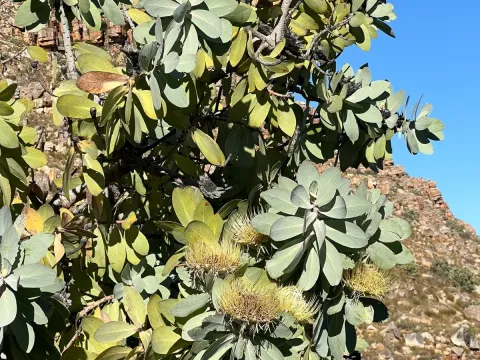
Protea nitida
Protea nitida
Propagating Protea nitida is primarily achieved through seed germination, as the species is notoriously difficult to grow from cuttings.
What the section contains
Protea nitida
Seeds should be sown in late summer, mimicking the natural germination patterns that occur after wildfires in their native South African habitats.
The use of a well-draining, acidic, and nutrient-poor substrate is essential to ensure healthy development and prevent damping-off diseases.
Applying smoke water or liquid smoke treatment during the sowing process significantly improves germination rates and seedling vigor.
Seedlings are delicate and require careful handling during transplanting into individual pots to maintain the integrity of their sensitive root systems.
Protea nitida, known as the wagon tree, is a hardy evergreen shrub belonging to the Proteaceae family, native to the Cape region of South Africa.
It thrives in full sun exposure and requires excellent ventilation, as high humidity and stagnant air are detrimental to its overall health.
The soil must be sandy and well-drained, with a slightly acidic profile, mirroring the rocky, fynbos-dominated landscapes of its origin.
Cultural management requires avoiding high-phosphorus fertilizers, which the plant cannot process and which often prove fatal to the root system.
This species is highly drought-tolerant once established but needs consistent monitoring for moisture levels in the early stages of its growth.
Root rot, particularly caused by Phytophthora species, is the most common threat and usually results from poor drainage or overwatering.
Fungal leaf spots can occur if the plant is kept in an environment with insufficient airflow or excessive moisture on the foliage.
Scale insects and mealybugs are the primary pests that infest the stems and leaf axils, weakening the plant by draining its vital sap.
Spider mites may occasionally cause damage to the leaves during hot, dry periods, requiring careful inspection and prompt, mild treatment.
Integrated pest management strategies are recommended, avoiding harsh chemicals that could damage the plant's unique, leathery foliage.
Protea nitida is highly valued in the commercial floriculture industry for its distinctive, long-lasting, and architecturally striking flower heads.
The harvest should be timed when the flower head is fully matured, ensuring that the bracts have reached their peak color and structural strength.
Stems are cut with sharp, sterilized tools, and all foliage that would remain below the waterline must be removed to prevent bacterial decay.
In addition to its floral use, it is increasingly popular in xeric landscaping as a drought-tolerant specimen that adds unique textural appeal.
With proper post-harvest handling, these flowers can maintain their aesthetic appeal for several weeks, making them ideal for high-end arrangements.