
Protea subvestita
Protea subvestita
Description
Growing requirements
Protea subvestita, known as the water-lily sugarbush, is a distinct shrub belonging to the Proteaceae family. It is native to the high-altitude grasslands and rocky slopes of South Africa, where it thrives in rugged environments.
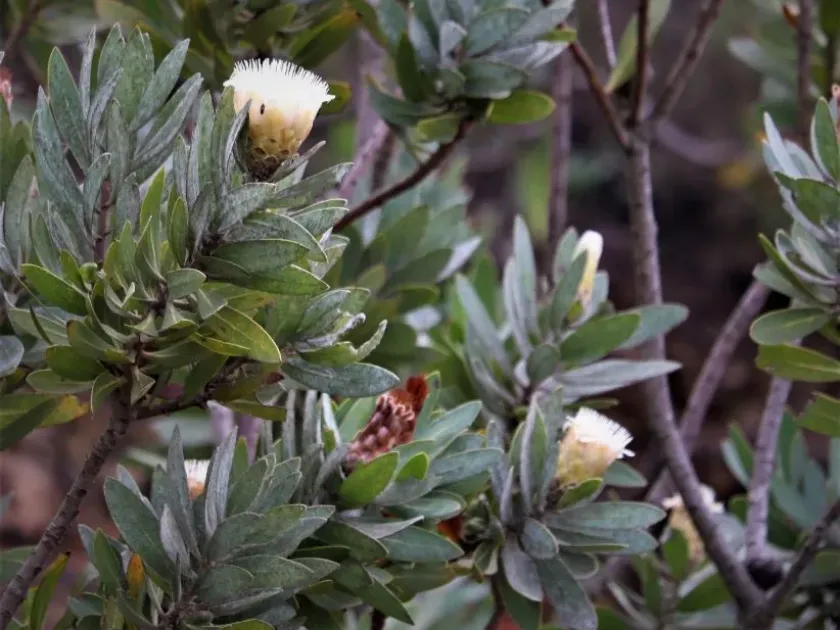
Botanically, this species is recognized for its dense, silvery-grey foliage and attractive flower heads. Unlike many other Proteas, it is remarkably cold-hardy, making it a subject of interest for breeders in temperate regions.
The cultivation of this plant requires specific soil conditions: extremely well-drained, acidic soil with low phosphorus levels. It relies on specialized proteoid roots to absorb nutrients in nutrient-poor substrates, which is why commercial fertilizers must be used with extreme caution.
Climatically, it prefers full sun exposure and requires excellent ventilation. It is well-adapted to windy conditions, which helps prevent the development of leaf mold and other foliage diseases often associated with stagnant air.
In terms of agricultural utility, Protea subvestita is primarily cultivated for the high-end floral industry. Its unique appearance and long vase life make it a valuable asset for commercial flower producers focusing on the export market.
Main diseases and pests
The most significant threat to Protea subvestita is Phytophthora cinnamomi, a soil-borne water mold that causes rapid root rot and systemic collapse.
Poor drainage and over-irrigation are the primary environmental stressors that predispose plants to lethal fungal attacks.
Insect pests such as scale insects and mealybugs can infest the stems, requiring careful management through integrated pest control strategies.
Maintaining biological balance and rigorous sanitation in the plantation area is essential to minimize the risk of infection.
- Regular soil testing for pH and phosphorus levels.
- Quarantine protocols for new plant introductions.
- Precise drip irrigation to avoid wetting the foliage.