
Protea eximia
Protea eximia
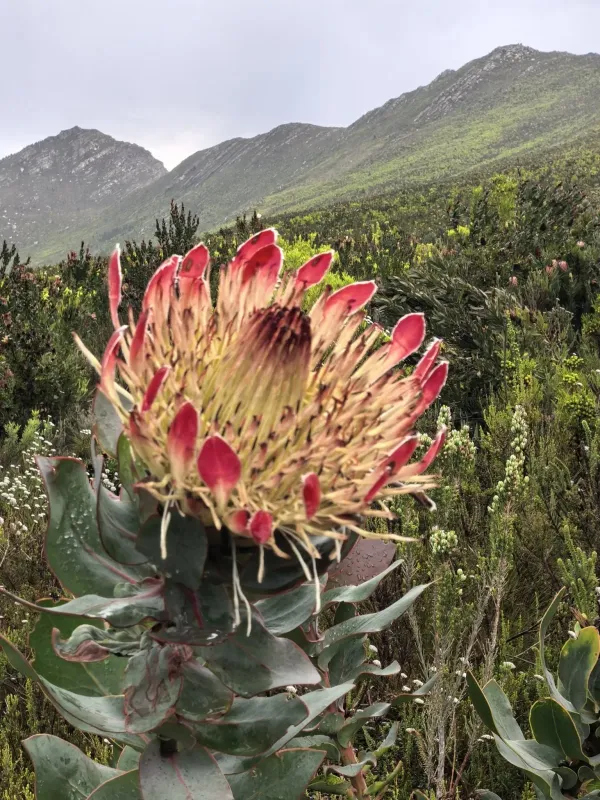
Description
Sowing dates
Propagation of Protea eximia on a commercial scale is typically performed via seeds or vegetative cuttings. Seeds should be sown in a well-drained medium consisting of a mix of sand and acidic peat, maintaining temperatures between 20–25°C.
The optimal time for sowing is early autumn, allowing seedlings to establish robust root systems before the onset of the peak growing season. Adequate soil aeration is crucial, as young sprouts are highly sensitive to waterlogging.
For vegetative propagation, semi-hardwood cuttings are used, usually harvested during the plant's dormant phase. This method preserves the genetic characteristics of the cultivar, which is essential for uniform crop production.
The rooting process requires the use of rooting hormones and strict control over air humidity. Greenhouse facilities must be equipped with overhead misting systems to maintain environmental consistency.
Transplanting into final beds or large containers occurs once the root system has sufficiently colonized the substrate in the nursery trays.
Growing requirements
Protea eximia is a classic fynbos species, requiring soils with very low phosphorus levels and a distinct acidic pH ranging from 5.0 to 6.0 for healthy development.
The crop thrives in a Mediterranean climate characterized by mild, wet winters and dry, warm summers. While the plant can tolerate minor temperature dips, it is highly susceptible to frost damage.
The primary requirement for the cultivation site is excellent drainage, as the root system is extremely prone to fungal infections if moisture persists in the root zone.
Optimal light exposure is necessary throughout the day. In greenhouse conditions, airflow must be maximized to prevent overheating and the accumulation of excessive humidity.
Irrigation should be moderate, utilizing soft, slightly acidic water, as salt accumulation in the soil leads to rapid plant decline.
Yield
Protea eximia is highly valued as a premium crop for the commercial floriculture industry. Yield potential depends heavily on the age of the plant and precise adherence to cultural practices.
On professional plantations, peak production is achieved with plants aged between three and six years. A single mature shrub can produce between 10 and 20 high-quality blooms per season.
Harvesting is performed when the flower head has developed its characteristic color but before the inner bracts have fully opened to ensure maximum vase life.
To maximize annual yields, regular sanitation and formative pruning are essential, as this stimulates the development of new flowering shoots for the subsequent season.
Post-harvest grading is based on stem length and flower head diameter, which are the primary determinants of market value in wholesale trade.
Main diseases and pests
The greatest threat to Protea eximia is soil-borne pathogens, specifically Phytophthora fungi, which cause root rot that can devastate an entire plantation rapidly.
High humidity levels frequently lead to outbreaks of Botrytis (grey mold), which damages the flower bracts and renders the blooms unsuitable for the luxury market.
Among pests, mealybugs and scale insects are the most problematic, as they feed on sap and weaken the overall vitality of the shrub.
Effective management focuses on preventative measures: strict humidity control, improved ventilation, and minimizing chemical intervention to avoid damaging the sensitive roots.
- Regular removal of fallen debris.
- Sterilization of pruning tools.
- Monitoring the quality of irrigation water.
- Maintaining optimal plant spacing for air circulation.
Harvesting
Harvesting Protea eximia requires specialized skill, as the woody stems require clean, precise cuts to prevent damage and subsequent rotting.
All cutting implements must be sharpened and sterilized before each session to ensure the integrity of the plant tissue and minimize the risk of infection.
Freshly cut stems are immediately placed in clean water mixed with professional-grade floral preservatives to inhibit bacterial growth and extend longevity.
Transportation is carried out under strict temperature-controlled conditions to prevent wilting and degradation during transit to market.
Post-harvest cooling is a standard procedure that guarantees superior vase life, often extending the display period to 2–3 weeks depending on the environment.