
Protea madiensis
Protea madiensis
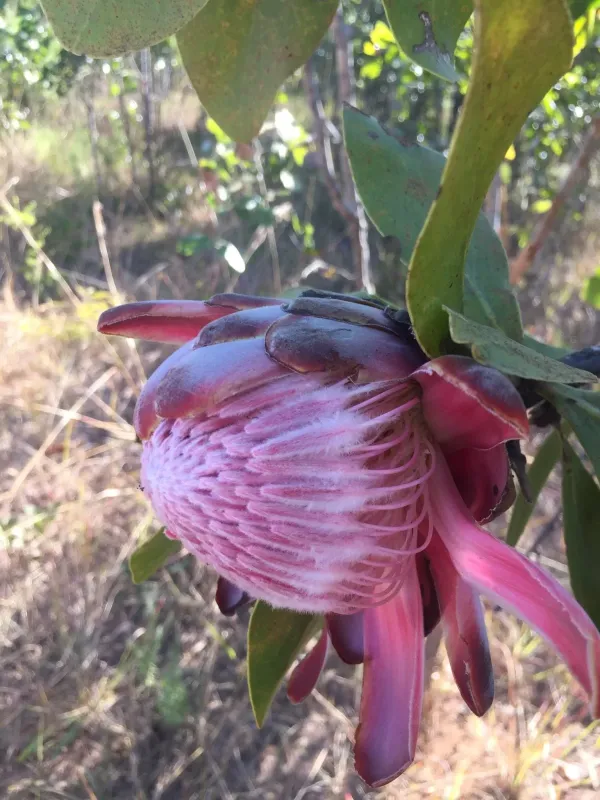
Description
Sowing dates
Propagation of Protea madiensis is primarily done through seeds, which helps in developing plants well-adapted to specific local conditions. Sowing takes place in a highly porous, well-draining substrate composed of sand and peat moss.
Seeds require specific temperature fluctuations to germinate, mimicking the natural cycles of the African savanna. Maintaining moderate, consistent soil moisture without allowing waterlogging is essential for successful germination.
Pre-treatment with smoke or scarification is often employed to stimulate germination, as many species in the Proteaceae family are fire-adapted. This significantly improves the success rate in a nursery setting.
Seedlings are delicate and require careful handling during the transplanting process to avoid damaging their sensitive root systems. Using individual containers with excellent drainage is a standard agricultural practice.
Cultivation from seed to maturity is a time-consuming process, requiring patience and consistent management of environmental variables to ensure the plant eventually reaches its full flowering potential.
Growing requirements
Protea madiensis is a perennial shrub belonging to the Proteaceae family, native to tropical African regions. It thrives in sunny locations with high airflow to minimize the risk of moisture-related diseases.
The plant requires acidic to slightly acidic, low-phosphorus soils with excellent drainage. Heavy clay soils must be avoided as they lead to root rot, which is the primary cause of plant loss in this species.
Optimal growth temperatures range from 18°C to 25°C. As the species is not frost-hardy, commercial cultivation in temperate climates must be conducted within greenhouses or climate-controlled glasshouses.
Irrigation must be performed with great precision using soft, lime-free water. Hard water can raise the soil pH, leading to nutrient uptake issues that quickly manifest as plant stress.
Fertilization must be strictly controlled, using only fertilizers specifically formulated for Proteaceae. Standard balanced fertilizers are often toxic due to high phosphorus content, which the plant cannot process.
Yield
Protea madiensis is commercially significant in the cut flower industry. Its unique, exotic appearance and long vase life make it a highly desirable product for premium floral arrangements.
The yield of marketable flower heads depends heavily on canopy management and pruning. Regular pruning of spent blooms encourages vigorous new growth, which ensures a higher quantity of stems in the following season.
The economic viability of growing Protea madiensis depends on the ability to produce consistent, high-quality blooms. Careful harvesting techniques are required to ensure the plant remains productive for multiple years.
Proper post-harvest handling is critical, as the stems are sensitive to storage conditions. Maintaining a cool chain during transport is essential to retain the aesthetic value required by international flower markets.
Yield optimization involves balanced nutrient management and consistent monitoring of plant health to ensure that energy is directed toward flower production rather than vegetative stress.
Main diseases and pests
The most significant threats to Protea madiensis are soil-borne fungal pathogens, such as Phytophthora root rot. These diseases are usually triggered by poor drainage and excessive soil moisture.
Pests, including spider mites, mealybugs, and aphids, can cause significant damage to foliage and flower buds. Integrated pest management, focusing on early detection and biological control, is recommended.
Chlorosis is a common physiological condition resulting from incorrect soil pH. It inhibits the plant's ability to absorb essential micronutrients, leading to yellowing of the leaves and stunted growth.
Preventative measures are essential, including rigorous quarantine of new plants and maintaining clean growing environments to prevent the spread of soil-borne pathogens.
Strategic pruning and air circulation within the canopy are the best defensive measures against common fungal and bacterial infections in a high-density greenhouse setting.