
Protea petiolaris
Protea petiolaris
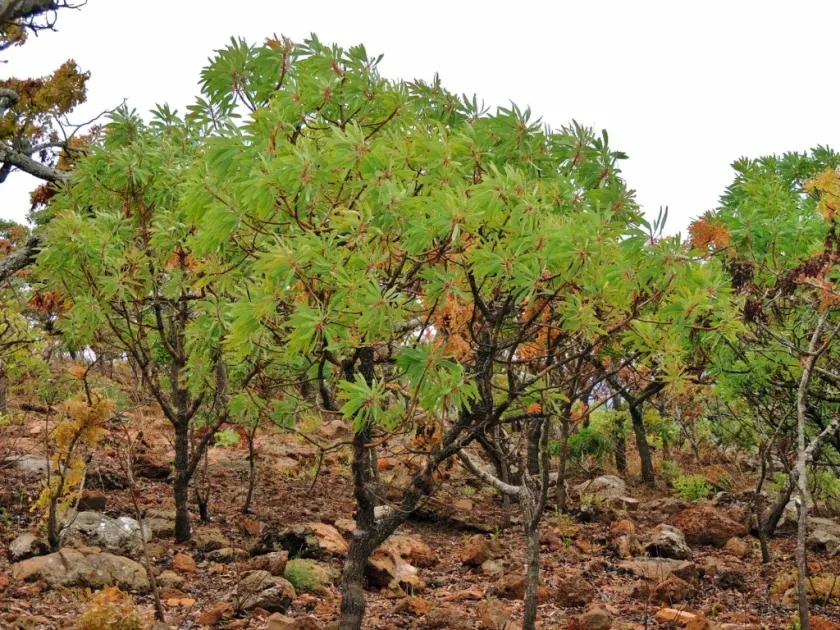
Description
Growing requirements
Protea petiolaris is a distinguished species belonging to the Proteaceae family. Native to the mountainous regions of South Africa, it is a hardy evergreen shrub adapted to specific environmental conditions.
The cultivation of this plant requires a soil profile that is highly acidic, low in phosphorus, and exceptionally well-draining. Heavy soils or those prone to compaction are unsuitable and will likely cause root death.
Climatically, this crop thrives in Mediterranean conditions characterized by mild, wet winters and dry, warm summers. High light intensity is crucial, as the plant requires significant solar radiation to develop its unique, large flower heads.
Agronomic management focuses on careful irrigation, ensuring that the soil is never waterlogged. Regular air circulation is mandatory to prevent fungal build-up and to maintain the physiological balance of the plant during the growing season.
Economically, Protea petiolaris is utilized in the global floriculture industry. It is highly prized by floral designers for its aesthetic appeal, durability, and unique appearance as a focal flower in arrangements.
Main diseases and pests
The primary threats to Protea petiolaris are pathogenic fungi, which often proliferate when irrigation protocols are not strictly followed.
Root rot, particularly species of Phytophthora, is the most common cause of crop loss in commercial settings where drainage is inadequate.
Common pests such as mealybugs, scale insects, and spider mites can infest the foliage, particularly in greenhouse environments where humidity levels fluctuate.
Effective pest and disease control requires an integrated approach, utilizing systemic fungicides and maintaining a sterile growing environment.
Regular monitoring of the root zone and the underside of leaves is essential to prevent infestations from reaching a critical threshold that impacts marketability.