
Protea rubropilosa
Protea rubropilosa
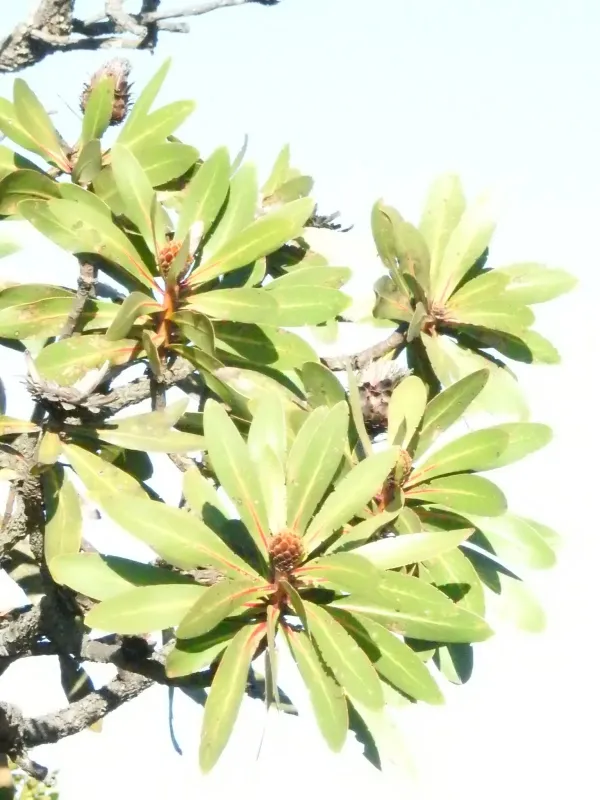
Description
Growing requirements
Protea rubropilosa is a rare member of the Proteaceae family, originating from the mountainous regions of South Africa. It is an evergreen shrub that reaches up to three meters in height in the wild and is valued for its striking inflorescences with characteristic reddish hair.
Proper drainage is critical for the successful cultivation of this crop. The soil must be acidic, low in nutrients, and have excellent water permeability, as waterlogging is detrimental to the plant's root system.
The plant has specific climate requirements: it prefers cool nights and moderately warm days. The optimal temperature range for growth is between 15 and 25 degrees Celsius, although the plant can tolerate short-term temperature drops.
Lighting is a limiting factor for flowering. Protea requires maximum direct sunlight, so it is grown primarily in protected soil conditions with high insolation in industrial settings.
Agricultural practices involve minimal application of phosphorus fertilizers, as plants of this family are extremely sensitive to their excess. Irrigation should be regular but moderate, using soft, lime-free water.
Main diseases and pests
The main threat to this crop is fungal diseases of the root system, particularly Phytophthora, caused by excessive moisture in the substrate.
Pests such as mealybugs and spider mites can attack young shoots and inflorescences, requiring preventative treatments with insecticides during the growing season.
Strict control over soil pH is necessary, as shifting it to an alkaline state leads to leaf chlorosis and subsequent plant death due to metabolic disruption.
To prevent the spread of infections, it is important to follow phytosanitary standards: remove affected parts of the bush and avoid overcrowding to improve air circulation.
It is recommended to use only sterilized soil mixtures for propagation via cuttings to minimize the risk of infection with pathogens from the early stages of development.
Harvesting
Protea rubropilosa is grown mainly as a cut flower crop for the floristry business. Harvesting of the inflorescences is carried out in the phase when the outer bracts begin to open.
Cutting is performed with a sharp tool, leaving a portion of the stem with leaves to ensure the bush remains productive for several years.
After harvesting, the stems are placed in clean water with added antibacterial agents, as they are highly decorative and have a long vase life.
Transportation requires strict adherence to temperature regimes to prevent premature wilting or deformation of the delicate hairy petals of the inflorescence.
Sorting by size and quality of inflorescences allows for the optimization of commercial sales at flower auctions and exotic plant markets.