
Finschia chloroxantha
Finschia chloroxantha
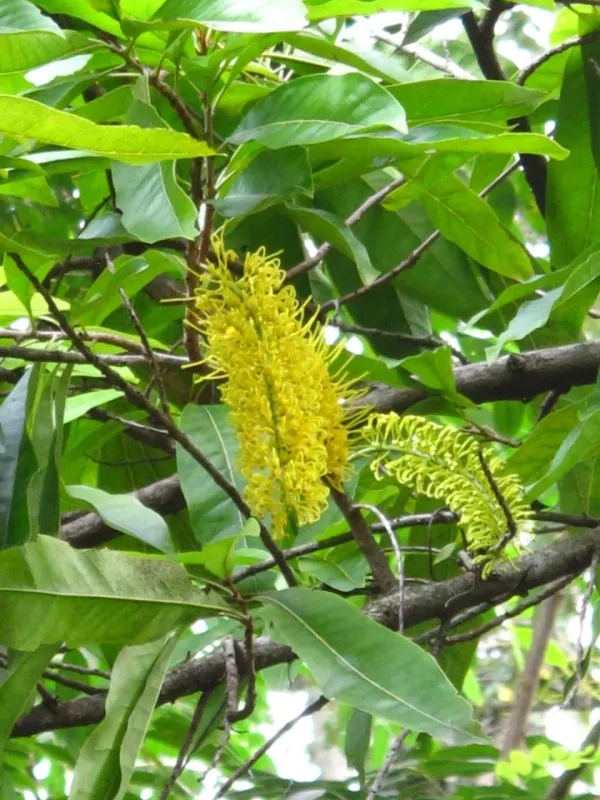
Description
Growing requirements
Finschia chloroxantha is a distinctive evergreen tree belonging to the Proteaceae family. Native to the rainforests of Papua New Guinea and surrounding islands, it is recognized for its robust growth and specialized biological adaptations to tropical environments.
The plant thrives in regions characterized by high humidity and consistent tropical temperatures. It requires a stable climate with no frost, as its physiology is optimized for constant metabolic activity without seasonal dormancy periods found in temperate species.
Agronomically, Finschia chloroxantha demands well-drained, acidic to neutral soil profiles. It is highly susceptible to root asphyxiation, making the presence of porous, sandy-loam soil structures essential for successful orchard establishment and long-term tree health.
In terms of light requirements, the species shows optimal growth when provided with high solar radiation, though young seedlings benefit from partial shade during the initial establishment phase to protect them from heat stress and leaf burn.
The primary utility of the species lies in its edible nuts. These nuts are a traditional food source, appreciated for their nutritional content including healthy fats and protein, making the species a target for sustainable tropical permaculture and local food security programs.
Main diseases and pests
The most significant threats to Finschia chloroxantha include fungal infections such as root rot, which are often exacerbated by poor drainage and excessive soil moisture. Proper irrigation scheduling is critical to avoid creating favorable conditions for pathogens.
Pest pressure often comes from specialized tropical insects, including various borers that attack stems and branches. Integrated pest management (IPM) strategies, involving biological control and careful site monitoring, are recommended to maintain tree health and ensure stable nut production.