
Primula matthioli
Primula matthioli
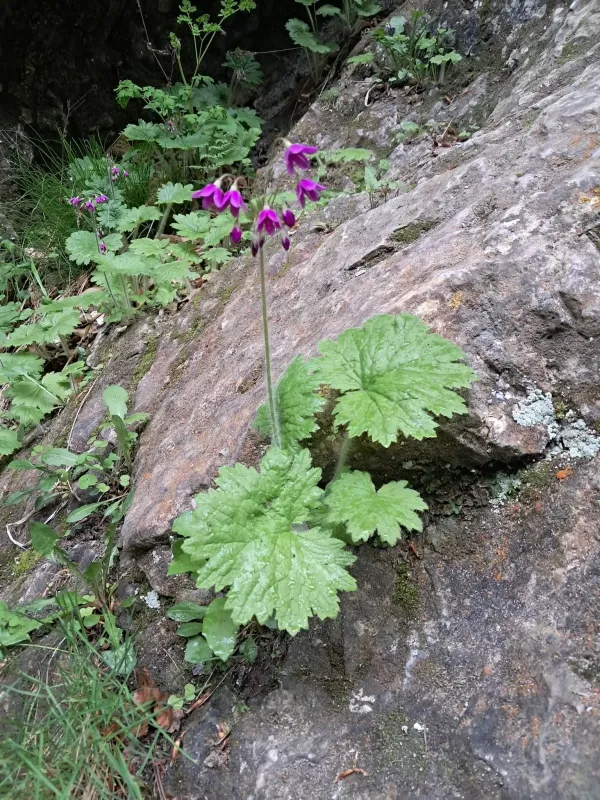
Description
Sowing dates
Sowing Primula matthioli requires a cold stratification period of at least 4 to 6 weeks to break seed dormancy and ensure successful germination rates.
The seeds should be sown in a well-draining, peat-based substrate that maintains consistent moisture without becoming waterlogged during the germination process.
Surface sowing is recommended as the seeds are small and require light for effective germination, therefore they should only be lightly pressed into the soil.
Once the seedlings develop their first true leaves, they should be carefully transplanted into individual pots to avoid overcrowding and root competition.
Providing a cool and shaded environment for the young seedlings is critical for their survival and healthy development before being hardened off for outdoor planting.
Growing requirements
This species thrives in partially shaded environments, as it is naturally adapted to cool, moist conditions found in mountain rock crevices and forest edges.
The soil should be rich in organic matter and possess excellent drainage properties to prevent root suffocation, a common issue in heavier clay-based soils.
Consistent soil moisture is essential for the plant, especially during the active growth phase, which requires regular watering during dry spells.
Primula matthioli benefits from cool nights and moderate daytime temperatures, reflecting its alpine origin and adaptation to specific climatic zones.
Mulching the base of the plant with leaf mold or gravel helps regulate soil temperature and moisture levels, protecting the shallow root system from fluctuations.
Main diseases and pests
Root rot caused by excessive soil moisture and poor drainage is the most significant threat to the longevity and health of Primula matthioli populations.
Fungal infections such as gray mold often affect the foliage when air circulation is poor, particularly during periods of high humidity and rainfall.
Slugs and snails are primary pests that can cause severe damage to the leaves; preventative measures include creating physical barriers or using baits.
Aphids can occasionally infest the flower buds and young growth, especially in greenhouse conditions, necessitating manual removal or application of soaps.
Monitoring for signs of nutritional deficiencies or chlorosis is necessary, as these often manifest as weakened plants that are more susceptible to secondary pests.