
Primula luteola
Primula luteola
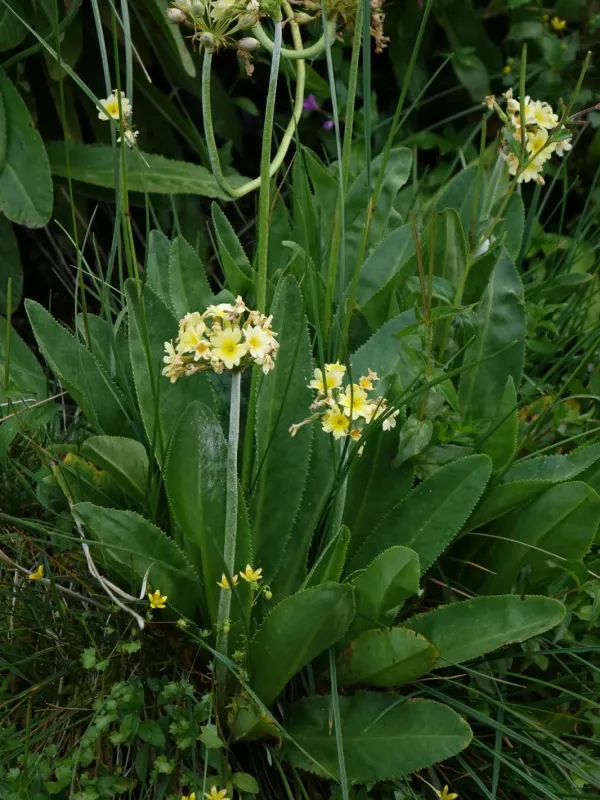
Description
Sowing dates
Propagation of Primula luteola is primarily performed through seeds, which require specific conditions to germinate effectively. The seeds need a period of cold stratification to overcome dormancy before they can sprout.
For best results, seeds should be sown in late autumn or early winter in outdoor conditions. This allows the natural seasonal cycle of freezing and thawing to trigger the germination process successfully.
Spring sowing is possible if the seeds undergo artificial stratification in a refrigerator for at least four to six weeks prior to planting. Using fresh, high-quality seeds is critical for achieving a good germination rate.
Sowing should be shallow, as the seeds require exposure to light for development. A fine, well-draining soil mix is recommended, ensuring the surface remains consistently moist throughout the incubation period.
Seedlings should be carefully transplanted once they develop at least two true leaves. Maintaining high humidity and cool temperatures during the early stages of plant development is essential for healthy growth.
Growing requirements
As a member of the Primulaceae family, Primula luteola originates from high-altitude regions, which dictates its preference for cool, moist environments. It typically grows in damp meadows and along stream banks.
The plant thrives in partial shade, where it is protected from the intense heat and direct sunlight of the afternoon. Overheating the root zone can cause significant stress and negatively impact the plant's vitality.
A humus-rich, loose soil with excellent drainage is paramount for this species. Waterlogging during the dormant winter period must be avoided, as it can cause the crown of the plant to rot.
Regular irrigation is necessary during the active growing season to keep the soil consistently moist. In dry conditions, applying organic mulch helps retain soil moisture and stabilizes the temperature around the roots.
The ideal soil pH for Primula luteola is slightly acidic to neutral. Periodic feeding with organic fertilizers during the early spring encourages vigorous growth and better flowering performance in the following cycle.
Main diseases and pests
Fungal infections, particularly gray mold (Botrytis), pose a significant threat to Primula luteola when airflow is restricted or humidity is excessively high. Good spacing is essential to prevent these issues.
Root rot, caused by stagnant water or poor soil aeration, remains one of the primary threats to the plant's survival. Correcting drainage and adjusting the watering schedule are the main preventive measures.
Slugs and snails are frequent pests, often consuming the foliage and destroying developing flower buds. These pests can be managed using protective barriers or integrated pest management strategies tailored to moist gardens.
Aphids and spider mites may infest the plant if kept in environments that are too dry. Frequent monitoring of the foliage, especially the undersides of leaves, helps in detecting early signs of these pests.
Preventive maintenance includes the regular removal of dead or decaying leaf tissue, which acts as a reservoir for pathogens. Maintaining a clean growing environment is vital for the long-term health of the species.