
Primula maximowiczii
Primula maximowiczii
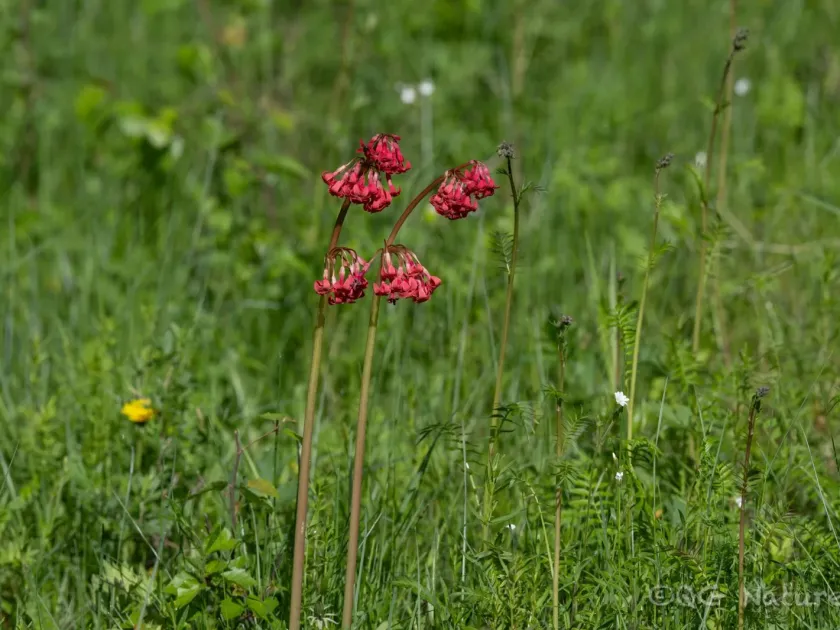
Description
Sowing dates
Sowing seeds of Primula maximowiczii is best done before winter, which ensures natural stratification necessary for high germination rates. Seeds should be sown on the surface of light, moist substrate, as they require light to germinate effectively.
For spring sowing, seeds must undergo stratification in a refrigerator at approximately plus 4 degrees Celsius for one month. This process simulates natural dormancy conditions and triggers biological activity within the seed.
The optimal time for pricking out seedlings is when the first two true leaves appear. It is crucial to handle the seedlings with care, as the delicate root system is extremely sensitive during these early developmental stages.
Transplanting seedlings to open ground should be performed on cloudy days or during evening hours. This reduces transpiration and promotes faster adaptation of the crop to its new growing conditions.
Planting spacing must account for the size of mature rosettes, so a distance of at least 20–25 centimeters between plants is recommended to ensure proper air circulation.
Growing requirements
Primula maximowiczii belongs to the Primulaceae family and is a perennial herbaceous plant known for its striking inflorescences. In the wild, this species is primarily found in eastern regions of Asia, including the Far East and China.
The crop prefers semi-shaded areas with protection from direct noon sunlight, which can cause leaf burn. Ideal locations include areas under tree canopies or the northern sides of rock gardens.
The soil for cultivation should be fertile, loose, and possess good moisture permeability. The plant absolutely does not tolerate waterlogging, which can lead to rapid rotting of the root crown during winter and spring months.
The optimal soil pH range for this species is from slightly acidic to neutral. Applying organic fertilizers, such as well-rotted compost, promotes better development of the rosettes and more abundant flowering.
In regions with harsh winters, light covering with dry leaves or spruce branches is recommended. Despite its winter hardiness, additional protection helps preserve the root system from freezing in the absence of snow cover.
Main diseases and pests
The main threat to the crop comes from fungal diseases that thrive in high humidity conditions. Among these, root rot caused by waterlogged substrate is the most common issue observed.
Pests such as slugs and snails actively attack leaves and flower stalks, leaving characteristic holes behind. To control them, both biological methods and specialized chemical preparations are used.
Aphids can colonize young leaves and buds by sucking cell sap, leading to the deformation of plant organs. Upon the first signs of infestation, treatment with systemic insecticides is necessary.
Spider mites pose a risk during dry periods when air humidity is low. Regular preventive inspections and overhead watering help reduce the probability of this pest multiplying.
To prevent the spread of infections, it is important to practice crop rotation and remove withered plant parts in a timely manner. Maintaining cleanliness in the root zone significantly reduces the risk of pathogen infection.