
Herminium
Herminium
Herminium is a genus of perennial herbaceous plants belonging to the Orchidaceae family. These plants, often referred to as musk orchids, are known for their small, inconspicuous, yet biologically complex flowers and underground tuberous root systems.
What the section contains

Herminium
In their natural habitat, Herminium species are typically found in temperate regions across Eurasia. They prefer calcareous soils with high levels of organic matter and require environments that provide high light intensity combined with moderate soil moisture.
Successful growth of Herminium depends heavily on the presence of specific soil fungi. This mycorrhizal association is essential for germination and nutrient absorption, which is why the genus is rarely seen in conventional agricultural cultivation.
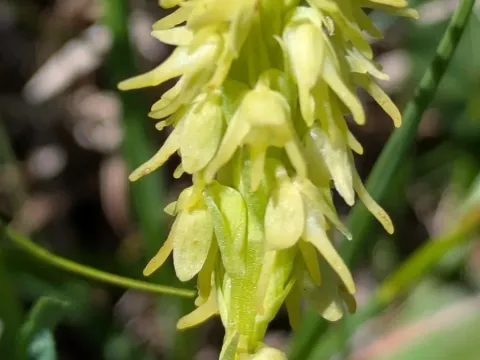
Botanically, the plant features a basal rosette of leaves and a slender stem terminating in a spike-like inflorescence. The flowers, usually green or yellow, are adapted for specific insect pollination, reflecting the high evolutionary specialization of the species.
There is no commercial agricultural use for this genus due to its slow growth rate and strict environmental dependencies. Its significance remains primarily in the fields of plant conservation, botanical research, and ecological study within natural ecosystems.
The primary threats to Herminium populations are habitat destruction, agricultural land development, and changes in soil chemistry due to fertilizer runoff, which disrupts the delicate fungal symbiosis necessary for plant survival.
Pests such as snails and slugs pose a significant threat, especially to young foliage and flowering spikes. Additionally, root rot caused by improper drainage and stagnant soil moisture remains a common physiological issue for these delicate plants.