
Hemipilia
Hemipilia
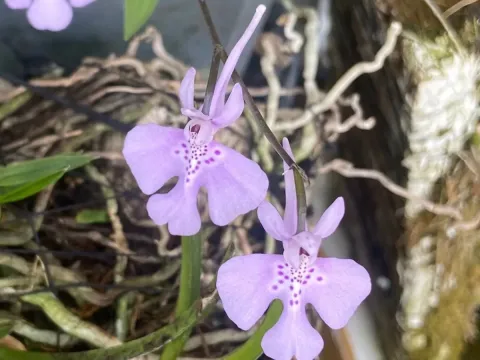
Hemipilia is a genus of terrestrial herbaceous plants belonging to the Orchidaceae family. Most species within this genus are tuberous geophytes, characterized by fleshy root tubers that store water and nutrients, allowing the plant to survive during dormancy periods.
What the section contains


Hemipilia
In their natural habitat, these plants are primarily found in East and Southeast Asian countries, including China, Japan, the Himalayas, and Thailand. They prefer shaded forest areas, limestone slopes, and damp meadows with good drainage, where the soil is rich in humus and has a slightly acidic to neutral pH.
Botanically, Hemipilia is distinguished by one or two basal leaves and an upright inflorescence consisting of numerous small flowers with a characteristic spur. The petal coloration ranges from pale pink to deep purple, making the crop highly desirable for collectors of exotic plant species.
Successful cultivation requires maintaining moderate air humidity and temperatures between +15 and +25 degrees Celsius. The most critical factor is the substrate: it must be highly porous and well-draining, consisting of a mix of peat, perlite, and shredded conifer bark to prevent root rot.
The economic use of Hemipilia is mainly focused on ornamental gardening and selective breeding. Due to their specific microclimate requirements, these plants are more frequently grown in greenhouses or container systems than in open field conditions, serving as valuable specimens for professional and amateur orchid enthusiasts.
The primary threats to Hemipilia in indoor conditions are fungal infections caused by substrate waterlogging. Pathogens such as Fusarium or Rhizoctonia can rapidly infect the tubers, leading to the death of the entire plant during the active growing season.
Pests such as spider mites and thrips pose a serious threat when air humidity levels are improperly managed. Regular ventilation of the cultivation area and the use of mild insecticides are essential to minimize the risk of leaf damage and ensure plant health.