
Himalayan lady's slipper
Cypripedium himalaicum
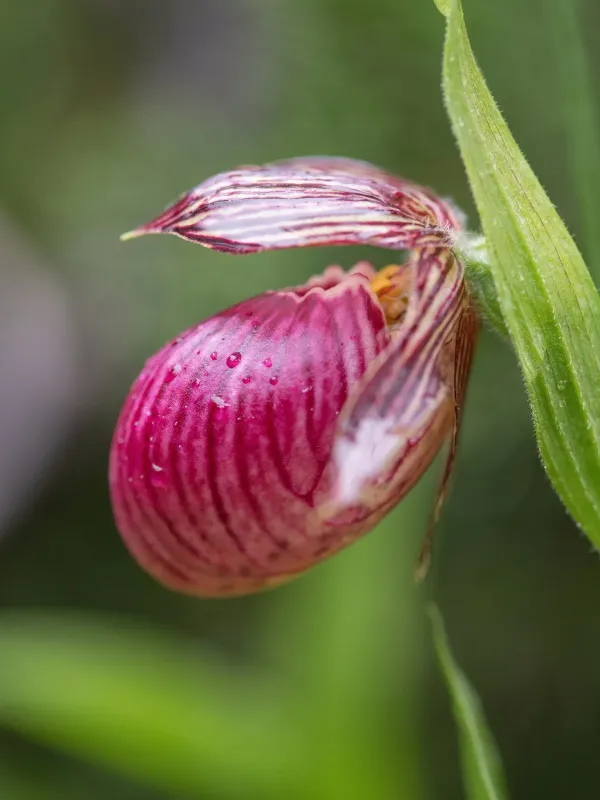
Description
Growing requirements
The Himalayan lady's slipper (Cypripedium himalaicum) is a rare and highly prized perennial herb belonging to the Orchidaceae family. Native to the high-altitude regions of the Himalayas, it is considered one of the most challenging species to cultivate in garden settings.
Successful cultivation begins with creating a specialized substrate that mimics its natural high-mountain environment. A mix of leaf mold, crushed limestone, coarse sand, and conifer bark is essential to provide the necessary structure and drainage required for healthy root development.
This species demands a cool and moist microclimate. It thrives in shaded areas where sunlight is filtered through the canopy of trees. Exposure to direct midday sun is detrimental and will cause the foliage to wilt or scorch, leading to the decline of the plant.
Water management is the most critical aspect of agrotechnical care. While the plant prefers a consistently moist environment during the growing season, it is extremely sensitive to waterlogging. Winter care requires keeping the plant on the drier side to prevent rhizome rot.
Due to its slow growth rate and specific symbiotic needs with soil fungi, the Himalayan lady's slipper is primarily used for ornamental collections and scientific research. It is rarely found in mass agricultural production due to the extreme care required to bring it to maturity.
Main diseases and pests
Fungal pathogens are the primary threat to this species, often triggered by excessive humidity or poor soil aeration. Preventing root rot is vital, and using a sterile growing medium is a recommended practice for all collectors.
Slugs and snails are major pests that pose a constant threat to the tender growth of the Himalayan lady's slipper. Gardeners must implement rigorous pest management strategies, such as physical barriers or biological controls, to protect the foliage.
Aphids can occasionally infest the flower buds and young shoots, draining the plant's resources. If an infestation occurs, it should be treated promptly with mild organic insecticidal soaps to avoid damaging the sensitive plant tissues.
Bacterial soft rot can occur during periods of high heat and moisture. Immediate removal of affected tissues and improving airflow around the plant are necessary steps to contain the spread of the infection.
Environmental stress, such as sudden fluctuations in temperature or drought, can weaken the plant's immune system, making it more susceptible to opportunistic infections. Consistent environmental monitoring is the best defense against long-term decline.