
Hebridean Marsh Orchid
Dactylorhiza hebridensis
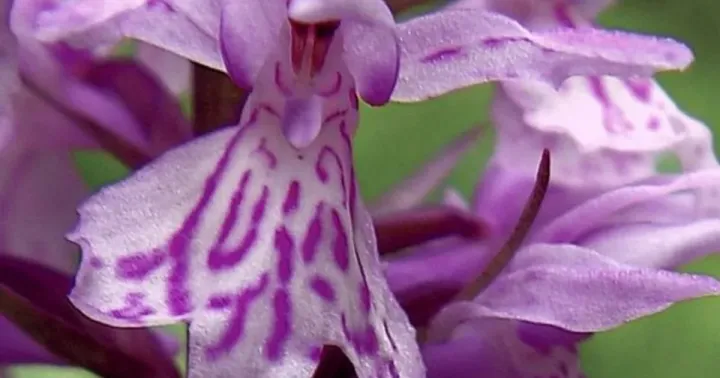
Description
Growing requirements
The Hebridean Marsh Orchid is a perennial herbaceous plant belonging to the Orchidaceae family. It is a specialized species native to the damp habitats of Scotland and the surrounding islands, having evolved specifically to survive in the rugged Atlantic environment.
The plant thrives in open or semi-shaded areas with high soil moisture content. It is most commonly found in calcareous grasslands, marshy meadows, and stabilized dunes, typically preferring neutral to slightly alkaline soil conditions.
A fundamental biological requirement for this orchid is the presence of specific mycorrhizal fungi in the soil. Without these symbiotic partners, the germination and growth of Dactylorhiza hebridensis are virtually impossible, which creates significant hurdles for any artificial cultivation.
This species is extremely sensitive to hydrological changes. Drainage of wetlands, whether for agricultural improvement or construction, acts as the primary limiting factor for the population, as it destroys the delicate water table balance required for the orchid's survival.
Due to its specialized ecological niche, it is not grown as an agricultural crop. Instead, the focus remains on in-situ and ex-situ conservation programs, aiming to protect the genetic diversity of this unique plant within its natural range.
Main diseases and pests
Habitat loss due to land development and intensive agricultural practices is the primary threat to the stability of Hebridean Marsh Orchid populations.
Overgrazing by livestock poses a significant risk, as it leads to physical trampling of the sensitive floral stems and soil compaction, damaging the root systems.
Competition from aggressive, non-native plant species often results in the displacement of the orchid from its historical ranges by out-competing it for light and nutrients.
Slugs and snails are the most prominent pests, often causing extensive damage to tender shoots and inflorescences during the active growing season.
Fungal pathogens can thrive in the high-humidity environments favored by the orchid, potentially leading to rot if the airflow around the plant is insufficient.