
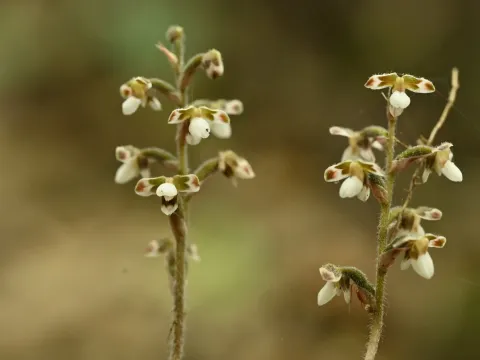
Hetaeria
Hetaeria
Hetaeria is a genus of terrestrial orchids belonging to the Orchidaceae family. These plants are characterized by their creeping rhizomes and distinct foliage, which differentiates them from the more common epiphytic orchid varieties typically found in retail.
What the section contains

Hetaeria
Originating from tropical regions across Africa, Asia, and Oceania, these orchids are typically found in shaded, humid forest understories. They rely on the nutrient-rich humus layers of the forest floor to sustain their growth cycle throughout the year.
Cultivation requires a specialized growing medium consisting of fine bark, perlite, and high-quality peat moss to ensure optimal drainage and moisture retention. The pH level should remain slightly acidic, mimicking their natural forest habitat environment.
Light requirements are strictly limited to low or diffused light levels. Exposing Hetaeria to direct sunlight will cause rapid dehydration and irreversible damage to the soft leaf tissues, necessitating the use of light-filtering shades in greenhouse settings.
Stable temperatures are essential for the survival of the species. A range of 20°C to 24°C is considered ideal. Any significant deviation, especially cold drafts or intense heat spikes, can lead to premature senescence and loss of vigor in the plant.
Root rot remains the most significant threat to Hetaeria due to its high sensitivity to waterlogged soil conditions. Proper irrigation management, ensuring that the substrate stays moist but never saturated, is the primary defense against fungal decay.
Pests such as mealybugs often hide in the leaf axils, sucking sap and weakening the plant. Regular monitoring and physical removal, or the use of systemic insecticides approved for orchids, are necessary to maintain a healthy collection.
Botrytis or grey mold may develop under conditions of poor airflow and high humidity. Improving ventilation within the growing area is crucial to prevent the proliferation of these spores on the delicate flower spikes and foliage.
Viral infections can spread quickly if unsterilized pruning tools are used between plants. Practicing strict hygiene protocols, including the sterilization of shears, is a mandatory step for any professional horticulturist working with this genus.
Low atmospheric humidity can cause tip burn on the leaves, making them prone to secondary infections. Keeping humidity levels above 70 percent through misting or ultrasonic humidifiers helps maintain the plant's natural barrier against environmental stress.