
Habenaria
Habenaria Willd.
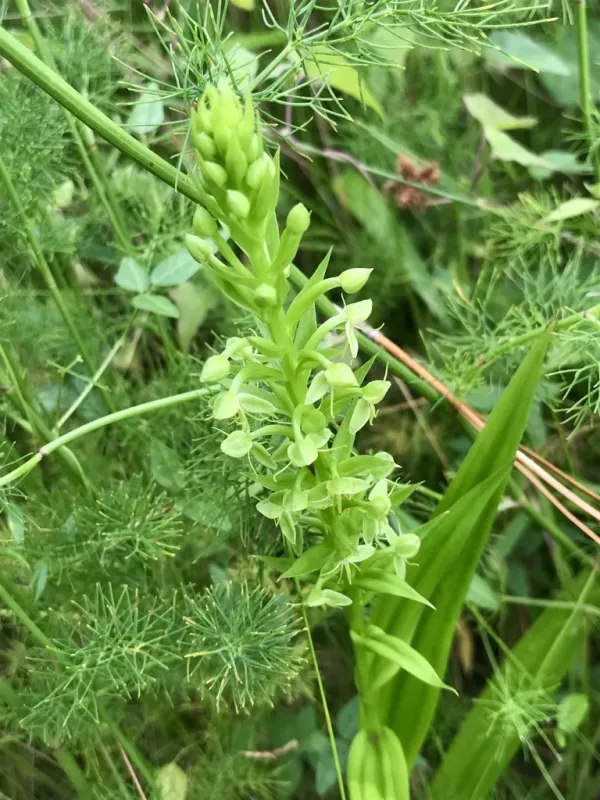
Description
Growing requirements
Habenaria Willd. is a diverse genus of terrestrial orchids belonging to the Orchidaceae family. These plants are characterized by their tuberous root systems and unique, often fringed or lobed floral structures.
The genus is widely distributed across tropical and subtropical regions worldwide. In their natural habitat, they are typically found in seasonally moist grasslands and meadows, adapting to cyclical changes in precipitation.
Cultivation requires a well-draining, slightly acidic soil medium. A mixture consisting of peat, sand, and perlite is often recommended to maintain sufficient aeration while holding necessary moisture levels.
These orchids demand bright, indirect light to stimulate flowering. While they appreciate high light levels, they must be shielded from harsh, direct sunlight to prevent leaf scorch and desiccation.
Temperature management is vital, with most species performing best between 18°C and 25°C. A distinct dormancy period is essential for the tubers, during which the plant must be kept drier and cooler.
Main diseases and pests
Root and tuber rot represent the most significant threat to Habenaria health. This condition is primarily caused by waterlogged soil and poor drainage, often leading to rapid collapse of the plant structure.
Spider mites are common pests that thrive in the indoor environments where these orchids are often kept. They feed on the underside of the leaves, causing stippling and eventual leaf loss.
Fungal infections, including leaf spot and various blights, can occur in environments with high humidity and stagnant air. Maintaining constant air circulation is a primary preventive measure.
Mealybugs can also infest the stems and leaf axils. Manual removal or the application of appropriate horticultural soaps is usually sufficient for early-stage infestations.
To ensure plant health, growers should prioritize water quality, avoiding chlorinated water that can accumulate salts. A healthy plant, grown in optimal conditions, is significantly more resistant to these biological threats.