
Eltroplectris calcarata
Eltroplectris calcarata
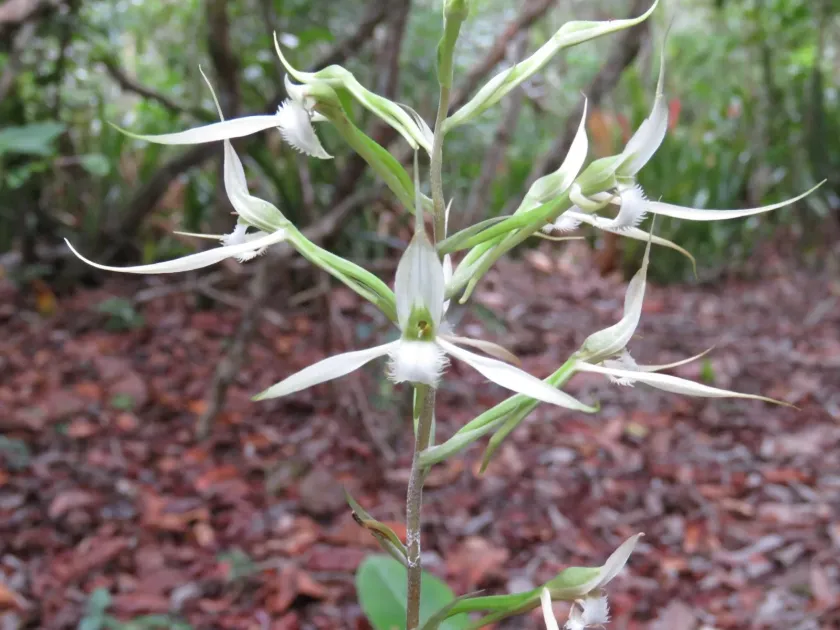
Description
Growing requirements
Eltroplectris calcarata is a member of the Orchidaceae family, specifically classified as a terrestrial orchid native to the tropical forests of the Americas. This species is known for its unique floral morphology and specific growth requirements that reflect its natural rainforest environment.
Botanically, the plant is characterized by its basal leaf rosette and a specialized flower stalk. These features allow the orchid to thrive in the shaded understory of dense forests, where light is limited and competition with other vegetation is high.
The climate requirements for this species include consistently high humidity levels and tropical temperatures. Unlike common agricultural crops, this orchid does not tolerate direct sunlight, requiring filtered or indirect light to prevent leaf scorching and desiccation.
Soil and substrate requirements are crucial for the health of Eltroplectris calcarata. The ideal growing medium must be highly porous, consisting of organic material like decaying leaves and bark, ensuring that the roots have excellent drainage and adequate airflow.
While not a traditional agricultural crop, the species holds value in conservation biology and botanical collections. It serves as an indicator of ecosystem health in its native range and is often the subject of specialized research regarding the propagation of rare tropical orchids.
Main diseases and pests
Threats to the survival of Eltroplectris calcarata are primarily linked to habitat fragmentation and deforestation. As a species native to sensitive tropical ecosystems, any disturbance to its environment significantly impacts its long-term viability in the wild.
Common diseases affecting this orchid include various forms of root and crown rot caused by pathogenic fungi. These infections are typically triggered by environmental stressors such as poor ventilation and improper watering routines.
Pests such as spider mites and mealybugs can infest the plant, feeding on the cellular sap and weakening the orchid. These pests are particularly dangerous in controlled environments where they can spread rapidly among collections.
Management of these threats involves rigorous sanitation practices. Ensuring that the growing environment is free of debris and maintaining optimal humidity and temperature ranges helps to prevent outbreaks of both pests and diseases.
Professional botanical care for this orchid requires a preventive approach to plant health. Monitoring for early signs of distress, such as leaf discoloration or changes in root texture, is essential for maintaining the vigor of this rare and delicate plant species.