
Didymoplexis micradenia
Didymoplexis micradenia
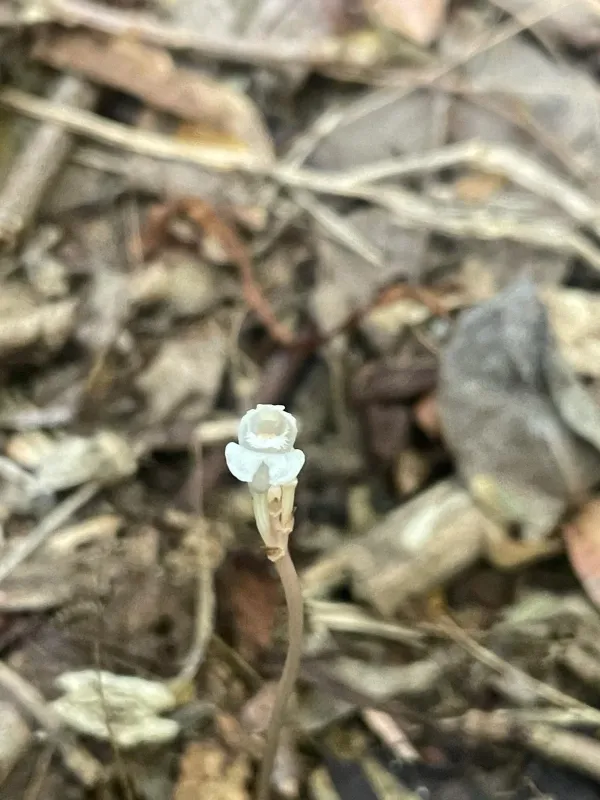
Description
Growing requirements
Didymoplexis micradenia is a fascinating member of the Orchidaceae family, categorized as a mycoheterotrophic plant. Lacking chlorophyll entirely, this species relies exclusively on symbiotic relationships with specific fungi to derive the necessary nutrients for its survival.
The native range of this plant encompasses the tropical forests of Asia and the Pacific region. It typically grows in shaded environments with dense leaf litter, which serves as a substrate for the fungal mycelia that the orchid depends upon for growth.
Climatic requirements are strictly tropical, necessitating constant high humidity and consistent temperatures throughout the year. The plant is highly sensitive to desiccation and fluctuations in environmental conditions, making it an extremely specialized organism.
The soil requirements are uniquely defined by the presence of specific mycorrhizal fungi. Without the presence of these fungal partners in the soil, the seeds of Didymoplexis micradenia cannot germinate, nor can the subterranean rhizomes flourish.
Botanically, the species is distinguished by its subterranean rhizome system and brief flowering stage. Its small, delicate flowers are specifically adapted to attract specialized insect pollinators, reflecting a highly evolved strategy for reproductive success in dense jungle settings.
Harvesting
Currently, the species holds no commercial agricultural value and is not cultivated for crops. Its significance is primarily limited to botanical study and conservation efforts aimed at protecting fragile tropical ecosystems and their complex fungal networks.