
Dendrobium nobile
Dendrobium nobile Lindl.
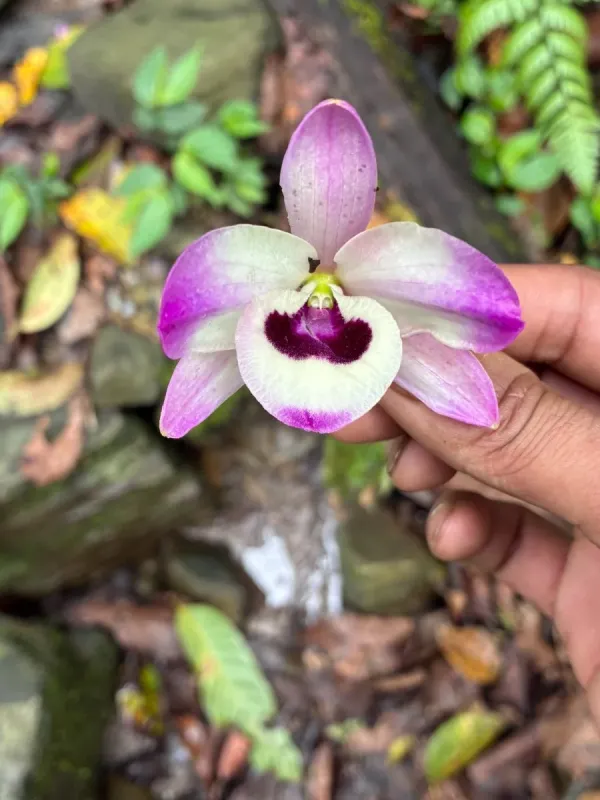
Description
Growing requirements
Dendrobium nobile is a species of epiphytic orchid belonging to the Orchidaceae family. Native to the mountainous regions of South-East Asia, specifically India, China, and the Himalayas, it naturally grows on the bark of trees in humid, elevated forest environments.
The plant requires bright, filtered light to flourish and initiate blooming. Excessive direct sun exposure may scorch the leaves, while insufficient light results in weak, etiolated stems and the absence of flowers during the growing season.
The root system is highly sensitive to substrate composition. Cultivation in an airy mix, typically consisting of pine bark, charcoal, and perlite, is essential to prevent waterlogging and ensure adequate oxygen exchange for the roots.
Temperature management is critical for this species. A significant difference between day and night temperatures during the autumn months is required to stimulate the development of flower buds on the mature pseudobulbs.
Commercially, Dendrobium nobile is a highly valued ornamental crop. It is widely cultivated for the international florist market and for private collections due to its robust nature, stunning aromatic flowers, and long-lasting display in indoor environments.
Main diseases and pests
Spider mites are common pests that thrive in the low-humidity conditions of heated greenhouses. They feed on the underside of leaves, causing discoloration and eventual drop if left untreated by appropriate acaricides.
Root rot, primarily caused by Pythium or Phytophthora fungi, occurs when the substrate remains saturated for too long. Proper drainage and allowing the bark mix to dry out significantly between waterings are the main preventative measures.
Scale insects often cluster on the stems, appearing as small brown bumps. They suck sap from the orchid, leading to stunted growth and the potential for secondary bacterial infections through the puncture wounds.
Botrytis petal blight is a fungal infection that manifests as small brown spots on the flowers during high humidity. Improving air circulation around the plants is essential to minimize the risk of this cosmetic and health-related issue.
Aphids can target young, tender flower spikes and buds. Their feeding leads to distorted flowers, and they are also vectors for various viral diseases that are incurable in orchids, making control early in the growth cycle imperative.