
Dactylorhiza osmanica
Dactylorhiza osmanica
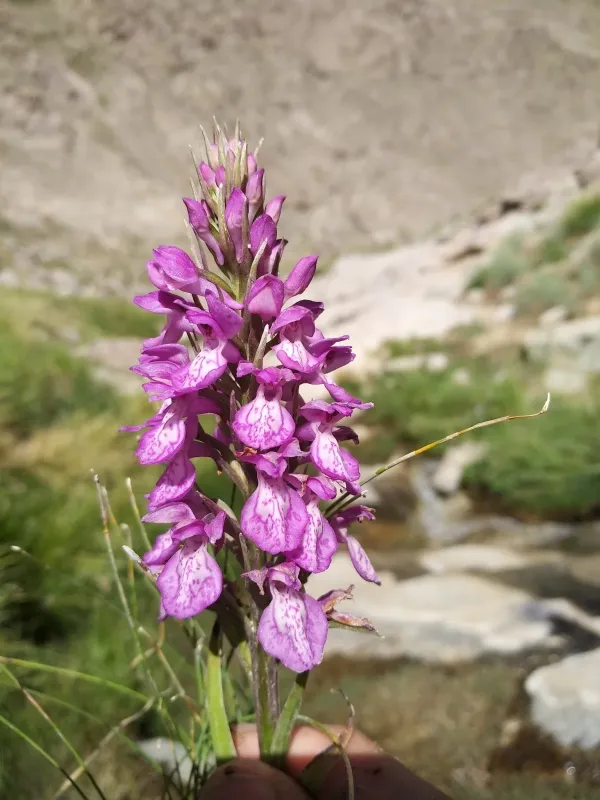
Description
Growing requirements
Dactylorhiza osmanica is a species belonging to the Orchidaceae family. It is a perennial herbaceous plant characterized by its palmate tubers, which serve as storage organs for nutrients during the dormant season, allowing the plant to thrive in specific moisture-rich environments.
The native distribution of this species spans areas with temperate climates, where it primarily inhabits meadows and woodland fringes. It requires moist, well-drained, and nutrient-rich soils that support the development of essential mycorrhizal fungi necessary for nutrient uptake.
Regarding environmental needs, the plant prefers semi-shaded areas with filtered light. Direct, intense sunlight can lead to leaf scorching and rapid water loss, which the plant struggles to compensate for given its reliance on consistent soil moisture levels.
Agronomic management of Dactylorhiza osmanica is challenging due to its high specialization. Success in cultivation depends on the preservation of its symbiotic relationships with soil microorganisms. Any drastic change in pH or chemical fertilization often proves detrimental to the colony.
While not a commercial crop in the traditional sense, the genus is historically known for the production of salep, a nutritious flour derived from the processed tubers. This use has historically driven interest in the cultivation of various Dactylorhiza species for traditional medicine.
Main diseases and pests
The primary threats to this plant are soil-borne fungal pathogens, particularly those triggered by excessive humidity or poor soil aeration which leads to tuber rot.
Slugs and snails are the most frequent pests, as they consume the succulent foliage and shoots, causing significant damage that may prevent the plant from flowering during the season.
Environmental degradation, such as drainage of wetlands and land conversion, constitutes a severe threat to wild populations, drastically reducing their natural habitats.
Viral infections affecting the foliage can lead to systemic decline, resulting in reduced vitality and the eventual death of the affected specimens if not managed.
Maintaining a healthy, balanced soil ecosystem is the best defense, as intensive chemical treatments often eliminate the beneficial fungi that the orchid depends upon for survival.