
Dendrobium kingianum
Dendrobium kingianum Bidwill ex Lindl.
Description
Growing requirements
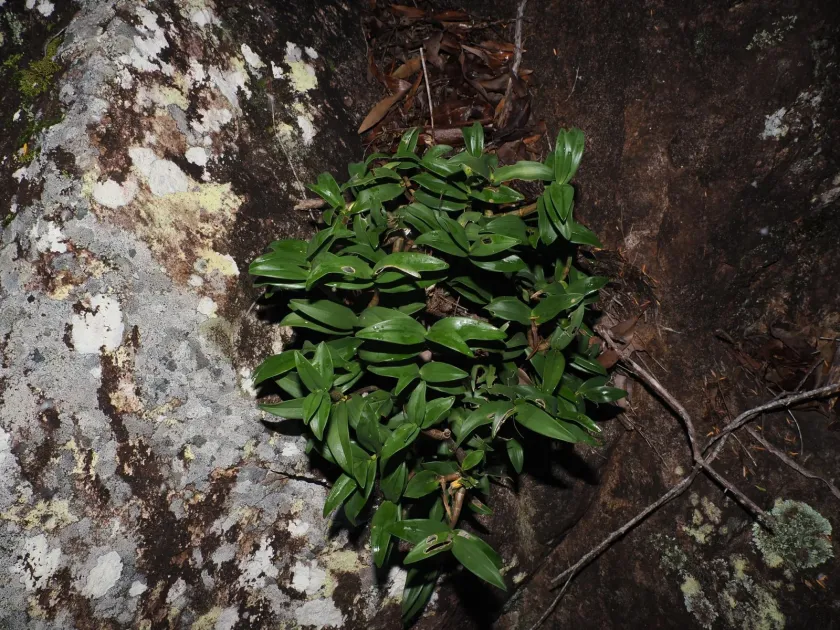
Dendrobium kingianum is a lithophytic or epiphytic orchid species belonging to the Orchidaceae family. Native to eastern Australia, this plant primarily inhabits rocky outcrops and forest trees, demonstrating high adaptability to varying environmental conditions.
The plant thrives in bright, filtered sunlight, which is essential for healthy vegetative growth and subsequent flowering. Providing adequate airflow is critical to prevent moisture buildup on leaves, which mimics the natural windy conditions of its native Australian habitat.
The agricultural substrate for this species must be highly porous and breathable. A mixture of pine bark, charcoal, and perlite is generally considered optimal to ensure that the root system receives sufficient oxygen and avoids waterlogging.
Temperature management is the most important factor for success. During the growing season, a moderate temperature range is ideal, while the winter months require a distinct cool-down period to trigger the development of flower spikes in the pseudobulbs.
This species is widely cultivated in the horticultural industry as a high-value ornamental plant. Breeders value it for its resilience, compact growth habit, and the production of numerous fragrant flowers that appear in clusters during the spring season.
Main diseases and pests
Common pests include spider mites and scale insects, which often thrive in environments with low humidity. Growers should monitor the undersides of leaves and the pseudobulb bases closely to manage infestations before they spread across the entire collection.
Bacterial and fungal rot are the primary health threats to Dendrobium kingianum, usually triggered by improper watering practices or poor ventilation. Implementing a strict sanitation protocol for tools and maintaining a dry environment after watering can significantly mitigate these risks.