
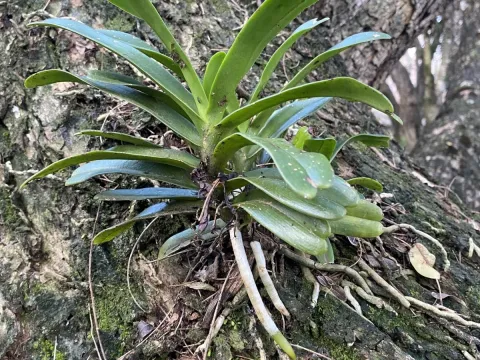
Cyrtorchis
Cyrtorchis
Cyrtorchis is a genus of epiphytic plants belonging to the Orchidaceae family. Naturally occurring in the tropical regions of Africa, these plants inhabit the trunks and branches of trees, where they thrive in high-humidity environments with filtered light and constant airflow.
What the section contains


Cyrtorchis
In cultivation, Cyrtorchis requires conditions that mimic its natural habitat, specifically maintaining a relative humidity of 60 to 80 percent. The environment should be well-ventilated to prevent stagnant air, although cold drafts must be strictly avoided to protect the delicate root structure.
A specialized, loose-growing medium is essential for these orchids, typically consisting of pine bark, charcoal, and sphagnum moss. This combination ensures proper drainage and aeration, which are crucial for preventing root suffocation and subsequent decay in this epiphytic species.
Lighting should be bright but indirect; intense direct sun exposure will cause leaf scorch and dehydration. Positioning the plant near east or west-facing windows is usually optimal, as this provides gentle morning or evening light that encourages healthy vegetative growth.
Watering is best performed by soaking the pot in room-temperature water once the substrate has dried significantly. It is vital to ensure that no water accumulates in the leaf axils, as this promotes bacterial infections and is a common cause of plant failure in indoor conditions.
The most common pests affecting Cyrtorchis include scale insects and mealybugs, which feed on the sap of young stems and leaves. Consistent monitoring and manual removal, followed by appropriate insecticidal treatment, are recommended to maintain plant health.
Poor air circulation combined with overwatering often leads to fungal infections, including root and stem rot. To prevent these issues, it is essential to ensure that the potting medium allows for quick drainage and that the plant is not kept in overly cool or damp environments.
Spider mites can become a significant nuisance in environments where the air is consistently dry or poorly humidified. Increasing ambient humidity and applying specialized acaricides are effective strategies for managing infestations before they cause irreversible damage to the orchid's foliage.
Bacterial infections are a serious threat, often manifesting as dark, watery lesions on the leaves. Infected tissue should be carefully removed using sterilized tools, and the cut areas should be treated with antifungal or antibacterial agents to halt the spread of the pathogen.
Failure to bloom is often linked to insufficient light intensity or improper seasonal fertilization cycles. Providing a balanced orchid-specific fertilizer and ensuring the plant receives adequate light exposure will help it store enough energy to initiate the development of new flower spikes.