
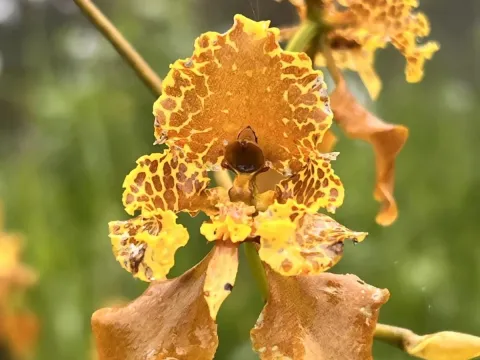
Cyrtochilum
Cyrtochilum
Cyrtochilum is a genus of epiphytic and lithophytic orchids belonging to the Orchidaceae family. In the wild, these plants are primarily found in the high-altitude regions of the Andes, characterized by cool and humid climates.
What the section contains


Cyrtochilum
Temperature control is critical for the successful cultivation of this crop. Most species prefer moderately cool conditions where nighttime temperatures drop to 10–14°C, while daytime temperatures do not exceed 20–22°C.
These plants require high relative humidity, which should be maintained at 70–80%. In home or greenhouse settings, this is achieved by using humidifiers or placing pots on trays filled with moist expanded clay.
A loose, epiphytic substrate is used as a growing medium for Cyrtochilum. The base consists of conifer bark pieces, charcoal, perlite, and a small amount of sphagnum moss to ensure proper moisture retention.
Lighting is a vital factor for development. The plant prefers bright, indirect light; however, it requires protection from direct sunlight during midday hours, as this can cause burns on the delicate leaves.
Common pests affecting Cyrtochilum include insects that target tropical orchids, such as scale insects and spider mites. Regular inspection of the undersides of the leaves allows for early detection of pest colonies.
When air circulation is poor and humidity levels are too high, the plant often suffers from fungal infections. One of the most serious problems is root rot, which occurs due to improper watering schedules and poor drainage.
To prevent bacterial spotting, it is crucial to avoid getting water into the leaf axils during watering. Good air movement within the cultivation area significantly minimizes the risk of pathogen development.
If pests are detected, appropriate insecticides or acaricides should be used, following the dosages recommended for orchids. Any affected parts of the plant must be removed immediately.
Quarantining new specimens is an essential agrotechnical practice. This measure prevents the spread of viral and fungal diseases throughout the entire collection of orchids.