
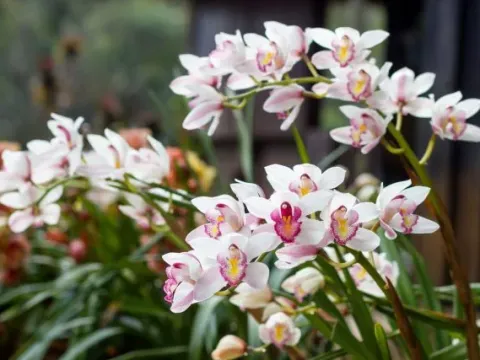
Cymbidium
Cymbidium Sw.
Cymbidium Sw. is a genus of evergreen perennial flowering plants belonging to the Orchidaceae family. Naturally occurring in the tropical and subtropical regions of Asia and Australia, these orchids are highly valued in both ornamental horticulture and as a commercial cut flower crop.
What the section contains


Cymbidium
The primary requirement for successful cultivation is a distinct diurnal temperature range. Cymbidiums thrive with warm daytime temperatures between 20°C and 25°C, but they strictly require cooler nighttime temperatures, ideally between 10°C and 15°C, to initiate the formation of floral spikes.
The growing medium must offer excellent drainage and aeration. Commercially, a coarse mix based on pine bark, perlite, and charcoal is preferred. This structure prevents root suffocation and promotes the healthy development of thick, fleshy roots that are characteristic of this genus.
Light intensity is critical for vigorous growth and flowering. Cymbidiums require bright, filtered light. During peak summer months, shade cloth is necessary to protect the foliage from intense direct sunlight, which can cause severe leaf scorch and heat stress.
Water quality and frequency are paramount. While these plants enjoy regular watering during their active growth phase, the substrate must be allowed to approach dryness before re-watering. Using soft, low-mineral water is essential to prevent salt accumulation in the root zone.
Commercial production of Cymbidium is geared toward the high-end cut flower market. Productivity is measured by the number of spikes per plant, the length of the stems, and the overall count and uniformity of blooms per inflorescence.
Yields are maximized by maintaining healthy mother plants and optimizing the division process. A mature, well-cared-for plant with several pseudobulbs can consistently produce multiple spikes, providing a high return on investment for commercial growers.
The cycle from a newly divided plant to a marketable flowering specimen typically spans 2 to 3 years. Efficient greenhouse management, including precise fertilization regimes and climate control, allows growers to maximize the bloom rate per square meter.
Modern breeding focuses on cultivars that offer a wide array of colors, longevity, and disease resistance. The market demands stems that maintain their aesthetic appeal for several weeks, making high-quality Cymbidium a premium choice for florists.
Post-harvest longevity is a significant trait of well-grown Cymbidium. By managing nutrients—specifically phosphorus and potassium—during the spike development phase, growers ensure that the resulting blooms have the structural integrity to withstand shipping.
Common pests include spider mites and scale insects, which proliferate in environments with low humidity. Integrated pest management, involving regular monitoring and the use of soft soaps or specific acaricides, is the standard practice for control.
Root and stem rot caused by pathogens such as Fusarium or Pythium pose a major threat. These diseases are usually triggered by poor drainage or overwatering, necessitating strict adherence to irrigation protocols and the use of sterile growing media.
Viruses, particularly the Cymbidium Mosaic Virus, are a major concern in commercial setups. Because there is no chemical cure for these viruses, prevention through the strict sterilization of cutting tools and the immediate culling of infected plants is the only effective management strategy.
Thrips are notorious for damaging flower buds, leaving unsightly marks that devalue the crop. Proactive greenhouse screening and the use of biological control agents are increasingly popular methods to mitigate thrip populations without over-relying on synthetic chemicals.
Nutrient deficiencies, such as iron or magnesium chlorosis, can occur if the pH of the substrate is not properly balanced. Regular analysis of the growing medium and adjustment of the nutrient solution are required to maintain healthy, dark green foliage.
Harvesting is performed when the inflorescence is sufficiently mature, typically when 50% to 75% of the buds are open. This ensures that the blooms continue to develop and last throughout their shelf life without premature wilting.
The spikes are cut using sterilized, sharp shears at the base, ensuring no damage to the pseudobulb. Hygiene during this process is vital to prevent the introduction of pathogens into the main plant structure, which could impair future cycles.
Immediate post-harvest cooling is required to remove field heat and stabilize the flowers. Controlled temperature storage helps to maintain the turgor pressure within the cells, preventing the bloom from collapsing during transit to wholesale markets.
Professional packaging is essential to avoid mechanical damage. Flowers are often sleeved individually and secured in sturdy boxes to ensure that the delicate petals are not crushed during shipping, allowing for worldwide export potential.
Proper inventory management includes keeping the harvest environment free from ethylene gas, which is naturally produced by some fruits and decaying plant matter, as it can cause rapid senescence and bud drop in Cymbidium orchids.