
Cyrtorchis belloneorum
Cyrtorchis belloneorum
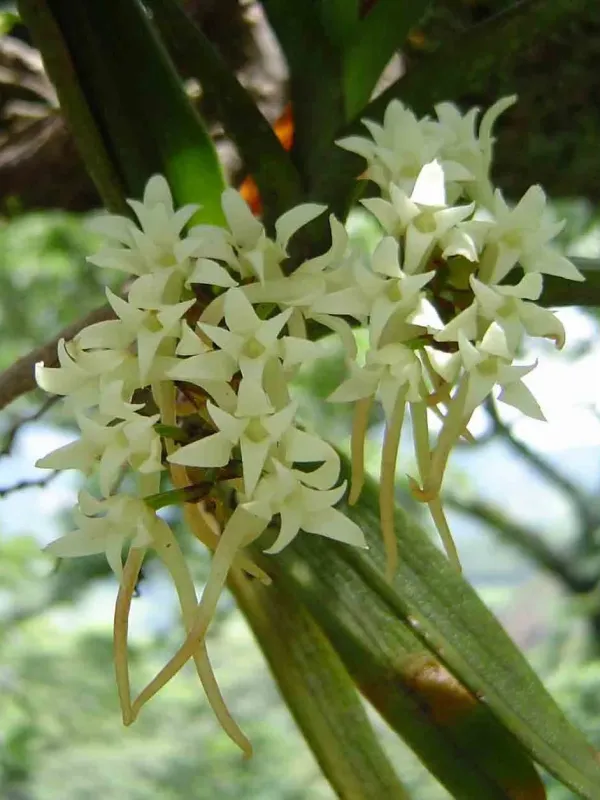
Description
Growing requirements
Cyrtorchis belloneorum is an epiphytic orchid belonging to the Orchidaceae family. Native to tropical African regions, this plant thrives in high-humidity environments characterized by consistent warmth and filtered light.
In cultivation, this orchid requires a specific microclimate that mimics its natural habitat. Proper air circulation is fundamental to prevent the accumulation of moisture, which can lead to fungal infections and decline of the root system.
Temperature management is critical for the lifecycle of this species. Ideally, it should be kept in a range that avoids both extreme heat and chilling drafts, ensuring steady vegetative growth throughout the year.
The planting medium must facilitate rapid drainage. Using a high-quality orchid substrate made of pine bark, charcoal, and moss is essential to maintain the necessary oxygen exchange for the aerial roots of the plant.
Regular fertilization is necessary during the active growing season. Using a balanced, water-soluble orchid fertilizer at a reduced strength helps support healthy flowering and leaf development without stressing the roots.
Main diseases and pests
The primary threats to Cyrtorchis belloneorum are root and crown rot, typically caused by stagnant water or poor ventilation. If the substrate remains waterlogged for too long, the plant quickly becomes susceptible to decay.
Pests such as scale insects are common intruders that attach to the leaves and stem. They deplete the plant's resources and can facilitate the introduction of secondary viruses or bacterial infections.
Mealybugs represent another significant challenge, often hiding in the crevices between leaves. Persistent monitoring is required to detect these pests early and prevent widespread infestation.
Management of these threats involves the use of specialized systemic insecticides or horticultural oils. Always test any treatment on a small area of the plant first to ensure no adverse reaction occurs.
Maintaining a clean growing environment is the best long-term strategy for preventing disease. Regular removal of debris and isolating newly acquired plants can significantly protect the health of your collection.