
Dactylorhiza brennensis
Dactylorhiza brennensis
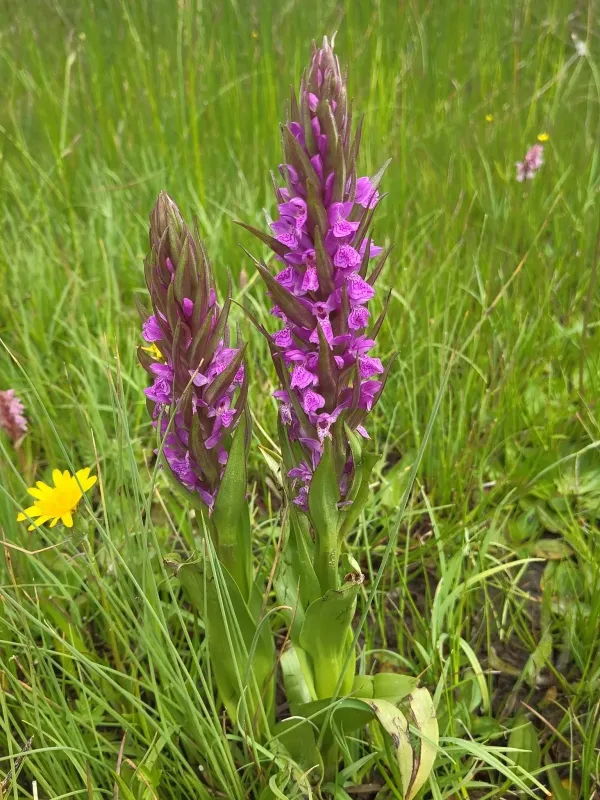
Description
Growing requirements
Dactylorhiza brennensis is a perennial herbaceous plant belonging to the Orchidaceae family. It is a naturally occurring hybrid, characterized by specific morphological traits and highly specialized habitat requirements.
This orchid prefers damp environments, including calcareous fens and moist meadows. It thrives in alkaline soil conditions and requires a high water table throughout the growing season to maintain its physiological functions.
The survival of Dactylorhiza brennensis is intrinsically linked to the presence of specific mycorrhizal fungi in the soil. These fungi are essential for seed germination and providing nutrients, making the plant difficult to cultivate outside its natural niche.
The climate requirements involve moderate temperatures and consistently high humidity. The species is sensitive to extreme heat and prolonged droughts, which can lead to the desiccation of its tuberous root system.
In terms of human use, this species is not an agricultural crop but is considered a significant botanical subject for biodiversity research and ecological conservation programs.
Main diseases and pests
Land drainage for agricultural development represents the most significant threat to the survival of this species, as it directly destroys its wet meadow habitat.
Fungal pathogens pose a risk, particularly when soil drainage is poor or when plant density leads to insufficient air circulation, resulting in root and stem rot.
Herbivorous pests, such as slugs and various insects, frequently target the succulent leaves and flower spikes, causing substantial physiological stress.
Invasive plant species and encroaching woody vegetation often outcompete this orchid for sunlight and essential soil resources, leading to population decline.
The illegal collection of specimens by private collectors and the degradation of natural areas due to livestock grazing remain critical threats to the species' long-term viability.