
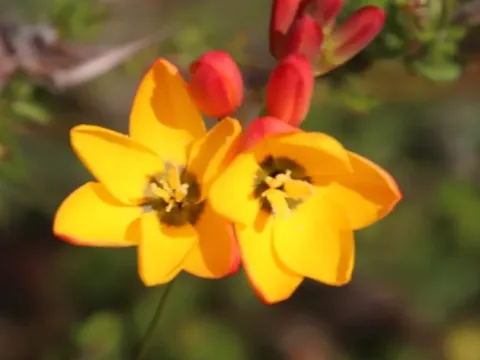
Ixia
Ixia L.
Planting Ixia in the open ground is best carried out in the spring once the soil temperature consistently reaches 10 degrees Celsius. In climates with mild winters, autumn planting is possible, provided the bulbs are protected with a thick layer of organic mulch to prevent freezing.
What the section contains

Ixia
Bulbs should be planted at a depth of 5 to 8 centimeters, spaced 10 to 15 centimeters apart. This spacing ensures proper development of the root system and allows enough room for the foliage to grow without excessive moisture accumulation between plants.
The Ixia genus belongs to the Iridaceae family and consists of perennial cormous plants. Native to South Africa, these plants rely on their annual corms to store energy, which is essential for surviving the summer growing season and producing vibrant blooms.
Propagation is typically achieved through cormels, which are small bulbs that form around the main mother corm. This vegetative method is the most reliable way to maintain the specific traits of a variety, ensuring consistent appearance in garden beds.
Site selection is paramount; Ixia requires a location that receives full, direct sunlight throughout the day. Insufficient light results in weak, leggy stems and poor flower production, which diminishes the ornamental value of the planting.
Ixia thrives in well-draining, fertile soil with a neutral to slightly acidic pH level. The most critical requirement is excellent drainage, as standing water will quickly cause the corms to rot, leading to total crop failure.
Regular watering is necessary during the active growing phase, particularly before and during the flowering period. However, the soil should be allowed to dry slightly between watering sessions to ensure the roots remain healthy and free from fungal infections.
Applying a balanced mineral fertilizer during the early growth stage and again when flower buds appear is highly beneficial. A fertilizer with adequate potassium levels helps strengthen the stems and enhances the intensity of the petal colors.
Ixia is sensitive to harsh winds, so planting in a sheltered spot, such as near a south-facing wall, is recommended. This provides the warmth the plants crave while protecting the delicate flower stalks from being damaged by sudden gusts.
In terms of usage, Ixia is a popular choice for landscape design, rock gardens, and container planting. Its star-shaped flowers and elegant foliage make it a versatile addition to any floral display, both in the garden and as a cut flower.
The primary threats to Ixia are fungal diseases, often caused by overwatering or poorly drained soil. Treating the bulbs with a suitable fungicide before planting can significantly reduce the risk of root rot and other soil-borne pathogens.
Pests such as thrips and spider mites are common adversaries. They attack the leaves and stems, sucking the sap and weakening the plant. Regular monitoring and the use of targeted insecticides are recommended to keep these populations under control.
Poor storage conditions during the winter can lead to mold and rot. Ensuring that the bulbs are stored in a cool, dry, and well-ventilated environment is crucial to maintain the integrity of the посадковий material until the next planting season.
To prevent the buildup of pathogens, it is recommended to rotate the planting location annually. Moving the crop to a different part of the garden ensures that the soil remains productive and free from specific pests that may have overwintered.
Integrated pest management, combining physical inspection and timely chemical application, is the most effective way to protect the crop. Healthy, well-nourished plants are generally more resistant to minor pest infestations throughout the growing season.
Harvesting the corms should take place once the foliage has completely withered and turned brown. This indicates that the corm has finished absorbing nutrients from the leaves and is entering its natural period of dormancy.
After lifting the corms from the ground, they should be cleaned of soil and dried in a shaded, well-ventilated area for several days. Proper drying is essential to prevent moisture-related damage during the storage period.
Any damaged, shriveled, or diseased corms should be discarded immediately to prevent the spread of infection to healthy stock. Only firm, clean corms should be kept for the following year's garden display.
Storage should be done at temperatures between 8 and 10 degrees Celsius. Maintaining this cool environment is vital to keep the corms in a state of dormancy; temperatures that are too high may trigger premature growth.
For those harvesting blooms for cut flower use, it is best to pick the stems when the buds are just beginning to show color. This stage allows the flowers to continue opening in a vase, ensuring a longer shelf life and better transportability.