
Iris tenax
Iris tenax
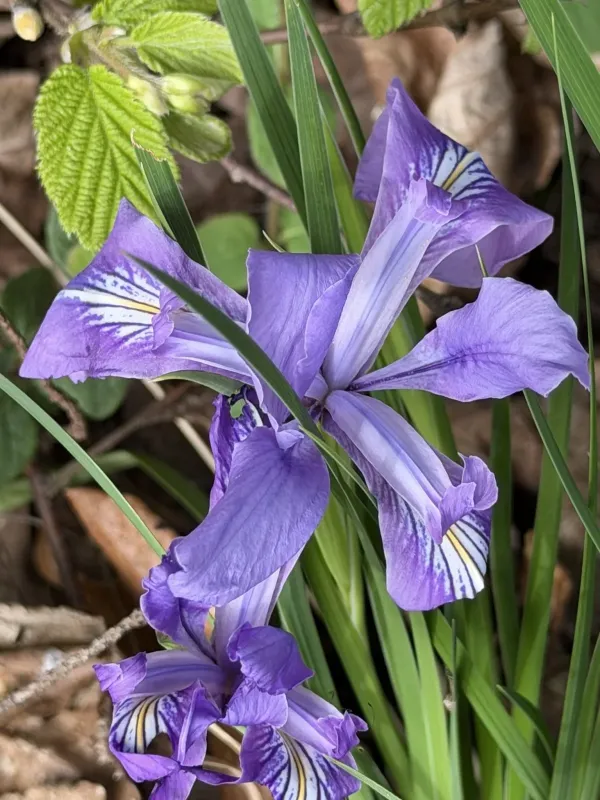
Description
Sowing dates
Sowing seeds of Iris tenax is most successful when performed in the autumn, allowing for natural stratification throughout the winter. This process is essential for breaking seed dormancy and ensuring uniform germination during the following spring.
For container cultivation, seeds should be sown in a well-draining, lightweight potting mix. Ensure the containers are placed in a cool environment, as fluctuating temperatures aid in the development of the root system before the onset of the active growing season.
Dividing established clumps of Iris tenax is best done immediately after the flowering period. This ensures the plant has sufficient time to recover and establish its roots before the arrival of winter frost, promoting vigorous growth in the subsequent year.
When selecting a planting site, consider the natural habitat of this species. It performs best when given enough space to develop its rhizome system without competition from more aggressive weeds or nearby shrubs.
High-quality seeds should be planted at a shallow depth, typically around 1 centimeter, covered with a fine layer of substrate. Proper spacing of at least 30 centimeters between individual plants is necessary to promote healthy air circulation and reduce disease risk.
Growing requirements
Iris tenax, belonging to the Iridaceae family, is native to the western regions of North America. It is a resilient plant that thrives in open woodland areas, prairies, and sunny meadows, demonstrating excellent adaptability to different garden conditions.
The plant requires well-draining soil with a neutral to slightly acidic pH level. While it can survive in poor soils, adding organic matter such as compost during the planting phase will significantly improve plant vigor and flowering performance.
Irrigation should be managed carefully, providing consistent moisture during the spring growth phase, while allowing the soil to dry out between waterings. Mature plants are remarkably drought-tolerant, making them an excellent choice for low-maintenance landscapes.
Sunlight exposure is crucial for this species. It prefers full sun to partial shade; however, in regions with very hot summers, afternoon shade is highly recommended to protect the foliage from scorching and to prevent premature drying.
Maintenance tasks include the annual removal of dead leaves after the growing season and periodic mulching. This practice helps to regulate soil temperature, preserve soil moisture, and suppress weed germination around the base of the plant.
Main diseases and pests
Fungal leaf spot diseases, such as heterosporium, are common issues for this plant. To manage these, growers should ensure good air circulation around the foliage and remove any infected leaves as soon as symptoms appear.
Rhizome rot is a significant threat, usually occurring in areas with poor drainage or excessive soil moisture. Preventing this involves ensuring the soil remains light and airy, and avoiding deep planting of the rhizomes which should sit near the soil surface.
Insects like iris thrips and aphids can damage the plant by feeding on leaves and developing buds. Regular inspection of the undersides of leaves and using gentle insecticidal soap sprays can effectively control these pest populations.
Slugs and snails may attack young shoots in the spring. Implementing physical barriers like copper tape or crushed eggshells around the base can discourage these pests from feeding on the tender growth of the iris.
Maintaining a healthy, clean garden environment is the most effective way to avoid severe pest and disease pressure. Frequent monitoring and immediate action allow for the quick resolution of minor issues before they impact the health of the entire plant.