
Ixia dubia
Ixia dubia
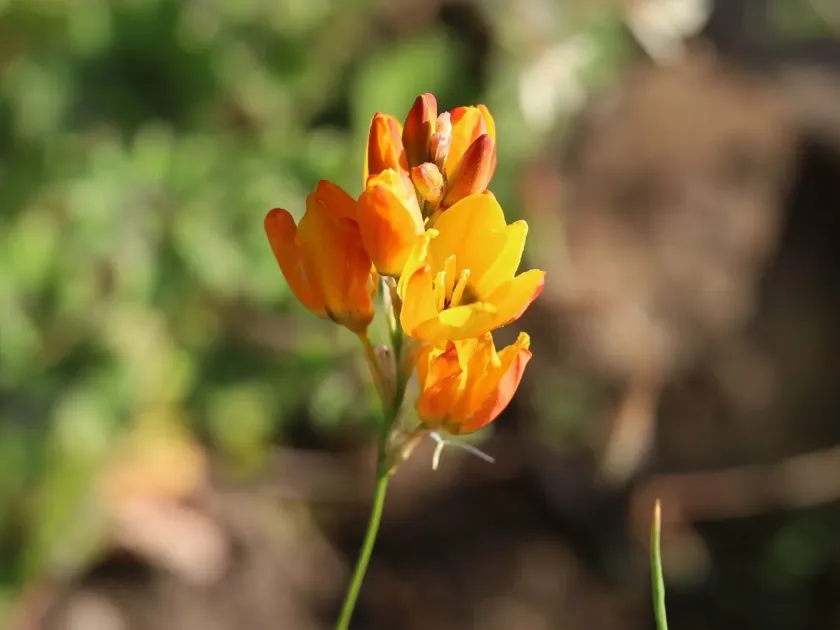
Description
Sowing dates
Planting should occur in the spring once the soil has warmed up significantly and the risk of frost has passed. Warm soil temperatures are critical for successful root establishment.
Bulbs are typically planted at a depth of 5 to 8 centimeters. Proper spacing of approximately 10 to 15 centimeters between bulbs ensures adequate airflow and prevents competition for soil nutrients.
During the growing season, moderate and consistent moisture is required. The soil should remain moist but never waterlogged to ensure the health of the subterranean bulbous structures.
Regular applications of liquid fertilizer during the bud formation phase significantly improve the quality and duration of the blooming period. Nutrient balance is key to vibrant flower coloration.
Post-flowering maintenance involves allowing the foliage to yellow naturally before removal. This process allows the bulb to store energy for the subsequent growing season, ensuring repeat flowering.
Growing requirements
Ixia dubia is a perennial bulbous plant belonging to the Iridaceae family. Native to the Cape region of South Africa, this species is highly valued for its striking appearance and vibrant floral displays in garden settings.
The plant thrives in full sun exposure and requires a location sheltered from harsh winds. Given its tropical origins, it is typically treated as a tender bulb in cooler climates, requiring protection during winter months.
Well-draining, light, and fertile soil is essential for the healthy growth of Ixia dubia. It is extremely sensitive to waterlogged conditions, which can lead to rapid bulb rot and plant failure.
Soil pH should ideally be neutral or slightly acidic. Incorporating organic amendments such as compost before planting will enhance the nutrient status of the soil and promote robust floral development.
This species is extensively used in landscape design, appearing in borders, rock gardens, and container arrangements. Its long-lasting cut flowers also make it a popular choice for floral bouquets.
Main diseases and pests
Root rot is the most common threat to Ixia dubia, usually caused by overwatering or poorly drained soil conditions. Prevention focuses on moisture management.
Pests such as thrips and spider mites can attack the foliage. These insects can cause significant damage by sucking plant sap, which stunts growth and weakens the flowering stems.
Fungal diseases like grey mold may occur in humid conditions. Applying appropriate fungicides and maintaining proper distance between plants can help mitigate these risks effectively.
Early detection of infestation is vital. Implementing regular garden checks allows for immediate intervention with targeted treatments before the pest population increases significantly.
Cultural practices, including regular weeding and maintaining clean cultivation sites, reduce the harbor sites for common pests and decrease the likelihood of disease transmission.