
Ixia patens
Ixia patens
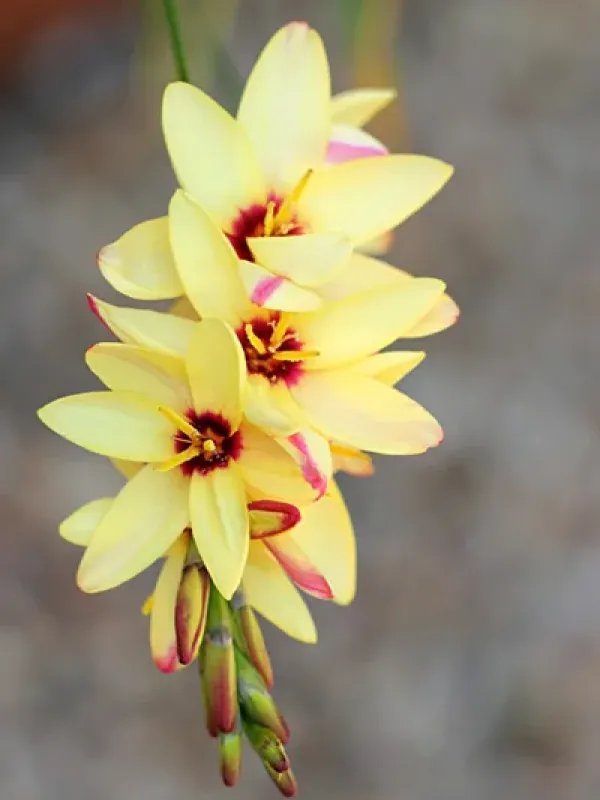
Description
Sowing dates
Ixia patens is typically planted in the spring once the risk of frost has passed and the soil temperature has reached a stable level of 10–12 degrees Celsius.
In regions with mild winters, autumn planting is possible, provided that the soil is covered with organic mulch to protect the bulbs from freezing temperatures.
The optimal planting depth for the bulbs is between 5 and 8 centimeters, which balances the need for protection with the ability of the plant to sprout effectively.
Maintain a spacing of 10 to 15 centimeters between individual plants to ensure proper air circulation and to prevent overcrowding in the flower bed.
Always choose a sunny, well-drained location that is protected from strong winds, as the slender stems of the plant can be easily damaged by gusts.
Growing requirements
Ixia patens is a member of the Iridaceae family and originates from the Cape region of South Africa, adapting it to specific climatic needs for light and warmth.
The plant requires light, well-drained, and nutrient-rich soil to thrive; poor drainage quickly leads to bulb rot, which is the most common cause of crop failure.
A neutral to slightly acidic soil pH is preferred, as it allows for optimal nutrient uptake and promotes vigorous development of the foliage and inflorescences.
Regular but moderate watering is necessary during the active growing phase, particularly during dry spells, to prevent the soil from drying out completely.
High levels of solar radiation are essential for Ixia patens; even partial shade can lead to leggy, weak stems and a significant reduction in the quality of flowering.
Main diseases and pests
The primary threats to Ixia patens include fungal infections such as root rot and fusarium, which are triggered by excessive soil moisture and poor ventilation.
Pests such as aphids, spider mites, and thrips often infest the plant, feeding on the sap and causing stunted growth or structural damage to the foliage.
Effective pest management involves using targeted insecticides during the early stages of infestation to prevent the spread of the population across the plantation.
Disease prevention starts with high-quality bulb selection and pre-planting fungicide treatments to eliminate pathogens that may be present on the surface.
Monitoring for signs of decay or pest damage regularly allows for quick intervention, ensuring that the health of the entire plant population is maintained.
Harvesting
As the foliage begins to turn yellow and dry up, it is necessary to lift the bulbs from the ground for indoor storage, as they are not hardy in most temperate climates.
After lifting, the bulbs should be carefully cleaned, dried in a well-ventilated, shaded area, and then sorted to remove any damaged or infected specimens.
Store the cleaned bulbs in breathable containers such as paper bags or wooden boxes filled with dry sand or sawdust at 8–10 degrees Celsius to prevent dehydration.
Regular inspections throughout the storage period are vital to ensure that no moisture has accumulated, which could lead to mold or rot among the stored bulbs.
Proper harvest and storage techniques are crucial for ensuring the viability of the bulbs and securing a successful display in the following growing season.