
Ixia hybrids
Ixia hybrids
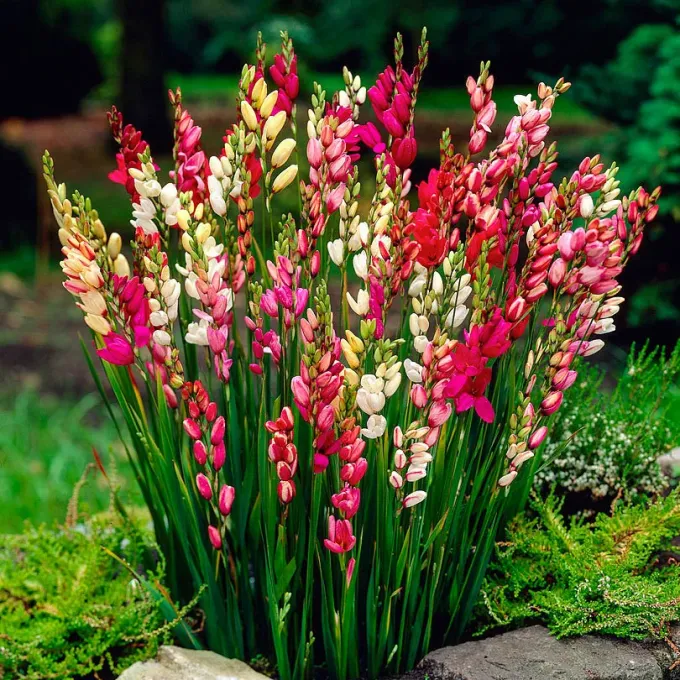
Description
Sowing dates
The planting of Ixia hybrid bulbs in open ground is carried out in the spring, when the soil warms up to 8–10 degrees Celsius, usually in April or May.
In regions with a mild climate, autumn planting is possible, but it requires mandatory deep mulching to prevent the bulbs from freezing.
When planting, it is important to observe the depth of placement, which is 5 to 8 centimeters depending on the size of the planting material.
The distance between plants should be at least 10–15 centimeters, which ensures normal air circulation and adequate nutrition.
To speed up flowering in cold climates, Ixia is often planted in containers, which are moved to the garden after the threat of frost has passed.
Growing requirements
Ixia hybrids belong to the Iridaceae family and are representatives of African flora that require maximum illumination throughout the day.
The plant prefers light, well-drained sandy or loamy soils with a neutral or slightly acidic reaction of the environment.
During the growing season, the culture needs moderate but regular watering, especially during budding and active flowering in the summer months.
For the full development of Ixia, protection from strong winds is necessary, as thin peduncles can be easily damaged and lodged.
The temperature regime should be warm; the plant does not tolerate stagnant water at all, so high-quality drainage is a key condition for survival.
Main diseases and pests
The main danger for Ixia is fungal diseases that develop during excessive soil moisture and poor ventilation of the planting area.
Root rot is the most common cause of bulb death, so it is recommended to carry out fungicidal treatment of planting material before planting.
Among pests, the greatest damage to the plant is caused by thrips and spider mites, which feed on leaf sap in hot and dry weather.
Aphids can also affect young shoots and inflorescences, reducing the decorative qualities of the crop and promoting the spread of viral diseases.
To combat pests, it is necessary to use modern systemic insecticides, carrying out treatments according to the instructions during the active growth period.
Harvesting
The harvesting of Ixia bulbs is carried out after the complete yellowing and drying of the aerial part of the plant, usually in late summer or early autumn.
The dug-out bulbs must be cleaned of soil, dried in a well-ventilated dry room, and the offsets (corms) separated for future propagation.
For storage, the planting material is placed in paper bags or nets with sawdust, maintaining a temperature of about 5–8 degrees Celsius.
It is important to regularly check the condition of stored bulbs, removing specimens with signs of mold or rot to preserve the quality of the collection.
Properly organized storage in a dark, dry place ensures high germination and uniform flowering in the next growing season.