
Iris vicaria
Iris vicaria
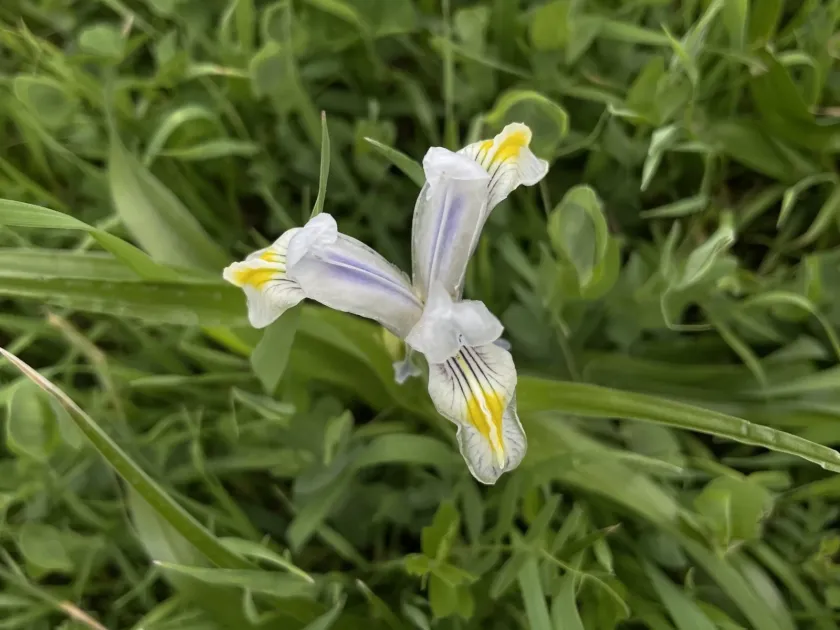
Description
Growing requirements
Iris vicaria is a perennial bulbous plant belonging to the Iridaceae family. It is native to the mountainous regions of Central Asia, specifically the Pamir-Alay ranges, where it thrives in arid, rocky environments.
The plant requires well-drained, porous soil to mimic its natural habitat. It performs best in full sun and is highly sensitive to soil moisture, particularly during its summer dormancy period.
Botanically, it is characterized by thickened fleshy roots attached to the bulb base. These roots are extremely fragile and must be handled with great care during any division or transplanting operations to ensure the plant's survival.
Climate requirements include a distinct cycle of spring moisture followed by a hot, dry summer. This dormancy is essential for the bulb to store enough energy for the subsequent flowering season.
In landscaping, Iris vicaria is highly prized by collectors for rock gardens and alpine setups. Its early flowering habit makes it a desirable ornamental species for specialized botanical collections.
Main diseases and pests
The most significant threat to Iris vicaria is bulb rot caused by excessive soil moisture during the dormant season. Stagnant water around the bulb often leads to rapid decay and death.
Pests such as bulb flies and thrips pose a consistent risk to the plant's health. Infestations can severely weaken the bulb and inhibit the production of future blooms.
Fungal diseases, including Fusarium wilt, are prevalent if the planting site lacks proper drainage or if infected material is introduced into the garden soil.
Preventative measures include treating bulbs with fungicides before planting and ensuring the soil is amended with grit or perlite to improve aeration and water flow.
Maintaining adequate space between plants is also crucial to allow air circulation, which helps prevent foliage diseases and moisture accumulation around the base of the plant.