
Ixia maculata
Ixia maculata
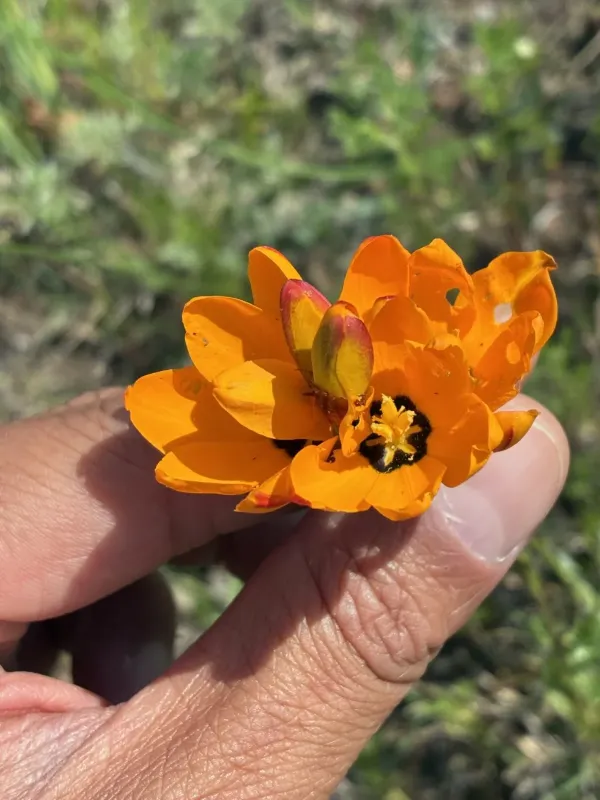
Description
Sowing dates
Planting Ixia maculata in the open field should occur in early spring once the danger of frost has passed. These plants are sensitive to cold, requiring soil that has thoroughly warmed up to ensure optimal conditions for initial root development.
In regions with mild winters, autumn planting is possible if the site is well-mulched to protect the bulbs from freezing temperatures. However, for most climates, spring planting remains the standard practice to ensure healthy vegetative growth.
Bulbs should be placed at a depth of 5 to 8 centimeters. The precise depth is dictated by soil texture: deeper planting is advised for lighter, sandy soils, whereas shallower planting is preferred for heavier, more compact clay soils to prevent rot.
A spacing of 10 to 15 centimeters between bulbs is recommended to maintain adequate ventilation. This spacing is vital to minimize the risk of humidity-related diseases and allows for sufficient space for the root systems to expand.
Prior to planting, it is highly recommended to treat the bulbs with a suitable fungicide. Once planted, provide light irrigation to settle the soil, maintaining moderate moisture levels until the first shoots emerge above the ground surface.
Growing requirements
Ixia maculata, belonging to the Iridaceae family, thrives in locations with full sun exposure. It requires bright, direct light for several hours a day to stimulate consistent flowering and maintain the plant's structural integrity.
The ideal soil for this crop is light, well-draining, and slightly acidic to neutral in pH. Because bulbs are prone to rotting in waterlogged soil, ensuring efficient drainage is perhaps the most important requirement for successful cultivation.
The optimal temperature range for the growth of this species is between 20 and 25 degrees Celsius. While it handles warmth well, extreme heat combined with drought can cause premature wilting, making consistent moisture management essential.
Regular fertilization is beneficial during the active growing season. A balanced, low-nitrogen liquid fertilizer applied once or twice during the growth phase helps support robust flower spikes and ensures vibrant petal coloration.
As the plant enters dormancy, evidenced by yellowing foliage, water intake must be gradually reduced. This cooling-off phase is critical for the plant to redistribute energy into the bulbs, preparing it for the subsequent season.
Main diseases and pests
Fungal diseases are the primary threat to Ixia maculata, particularly in environments with poor air circulation or excessive soil moisture. Botrytis and various rot species can quickly destroy the bulbs if hygiene is not maintained.
Pests such as thrips and spider mites can become problematic in dry, hot weather. These insects feed on the plant's sap, weakening the foliage and potentially reducing the quality of the blooms if left untreated for an extended period.
Implementing a proper crop rotation strategy is the best defense against soil-borne pathogens. Avoid planting Ixia in areas where other Iridaceae species were grown recently to prevent the build-up of specific bacterial or fungal strains.
If an infestation is detected, systemic insecticides should be applied as part of an integrated pest management plan. Always apply these treatments during periods when pollinator activity is low to minimize environmental impact.
Good garden hygiene, such as removing weeds and thinning out dense patches of plants, significantly reduces the probability of pest and disease outbreaks. Keeping the planting site clean is a foundational aspect of healthy plant care.
Harvesting
Bulb harvesting takes place once the foliage has completely withered and dried. Waiting for this natural die-back is crucial because it ensures that all stored carbohydrates have been transferred from the stems back into the bulb.
After excavation, the bulbs must be cleaned of soil and dried in a well-ventilated, shaded area. Removing debris and damaged bulbs at this stage is essential to prevent the spread of decay within the storage container.
Storage should be conducted in a cool, dry environment, preferably at temperatures around 10 degrees Celsius. Proper air circulation within the storage containers is necessary to prevent moisture build-up and mold growth.
Occasional inspection of stored bulbs allows for the timely removal of any specimens that show signs of rot. Maintaining this quality control process helps ensure that the majority of the stock remains healthy for spring replanting.
A dormant period of at least three to four months is required for Ixia to bloom successfully the following year. Following these post-harvest guidelines is the best way to guarantee a reliable and visually rewarding crop each season.