
Ixia paniculata
Ixia paniculata D. Delaroche
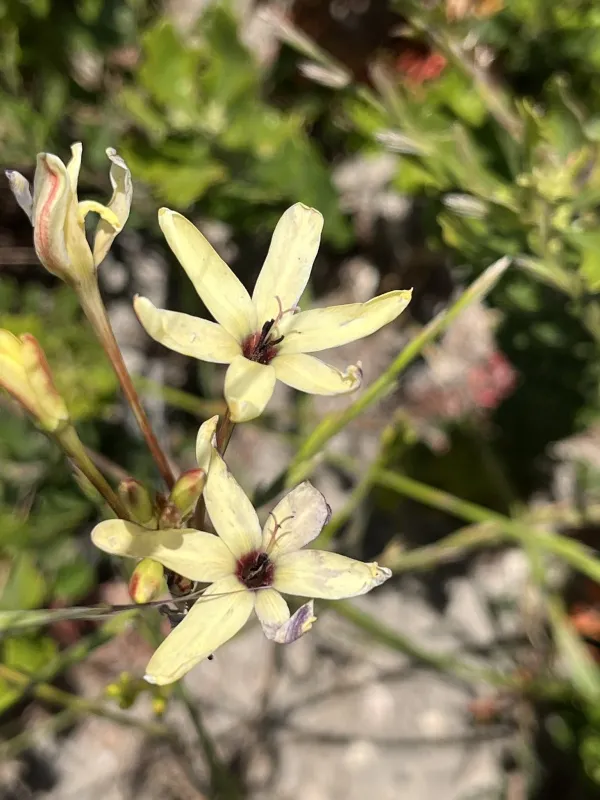
Description
Sowing dates
Ixia paniculata, a member of the Iridaceae family, is typically planted in early spring once the threat of heavy frost has passed and soil temperatures rise.
In regions with mild winters, planting can occur in autumn, provided that the bulbs are protected by a thick layer of mulch to prevent freeze damage.
The ideal planting depth for the corms is approximately 5 to 7 centimeters, ensuring they are placed in well-drained, porous soil to promote healthy root formation.
Spacing is essential for this species; maintaining a distance of 10 to 15 centimeters between plants helps prevent overcrowding and encourages robust flowering.
Preparing the soil with well-rotted organic matter prior to planting provides the necessary nutrients for the plants to establish themselves during the initial growth phase.
Growing requirements
This species requires a location with full sunlight to achieve optimal growth, as shade can cause the flower stalks to become weak and spindly.
The soil must have excellent drainage, as the corms are prone to rotting in waterlogged conditions; sandy or loamy soils are generally considered ideal.
Consistent but moderate watering is required throughout the growing season, particularly during the time when the flower spikes are actively developing.
Ixia paniculata thrives in regions with a distinct dry season, which should be simulated during the dormancy period after the foliage has died back.
While the plants are relatively hardy, protection from strong winds is recommended to prevent mechanical damage to the tall, slender stems.
Main diseases and pests
Root and bulb rot are the primary threats to Ixia paniculata, usually triggered by over-irrigation or soil that lacks proper drainage capacity.
Common garden pests such as aphids and thrips may infest the leaves and buds, requiring regular inspection and, if necessary, the application of soap-based sprays.
Fungal infections can spread rapidly in humid conditions; therefore, spacing plants to allow for airflow is a key preventative agricultural practice.
It is crucial to remove any infected plant material immediately to prevent the spread of soil-borne diseases to healthy bulbs in the vicinity.
Integrated pest management, including the encouragement of beneficial insects, can help maintain a healthy balance in the growing area.
Harvesting
Harvesting the corms is essential in non-tropical climates after the foliage has turned yellow and withered, marking the end of the plant's cycle.
The corms should be lifted gently, cleaned of debris, and left to dry in a shaded, well-ventilated location to harden before they are stored.
Storage should take place in a cool, dry environment with temperatures maintained between 8 and 12 degrees Celsius to prevent premature sprouting.
Regular monitoring of stored bulbs allows for the prompt removal of any that show signs of decay, ensuring the health of the entire collection.
Successful post-harvest care is the foundation for a vibrant and productive display of Ixia flowers in the following gardening season.